



As of February 2025, there have been reports of avian influenza in ducks along the shores of Lake Michigan, chickens in Northern Illinois, and even zoo animals at Lincoln Park Zoo in Chicago. This is no longer a far away problem. It is near us, and we need to be aware of the risks to our pets.
Bird flu is the H5N1 variant of influenza. The concern about this strain is that it has proven deadly to multiple species.
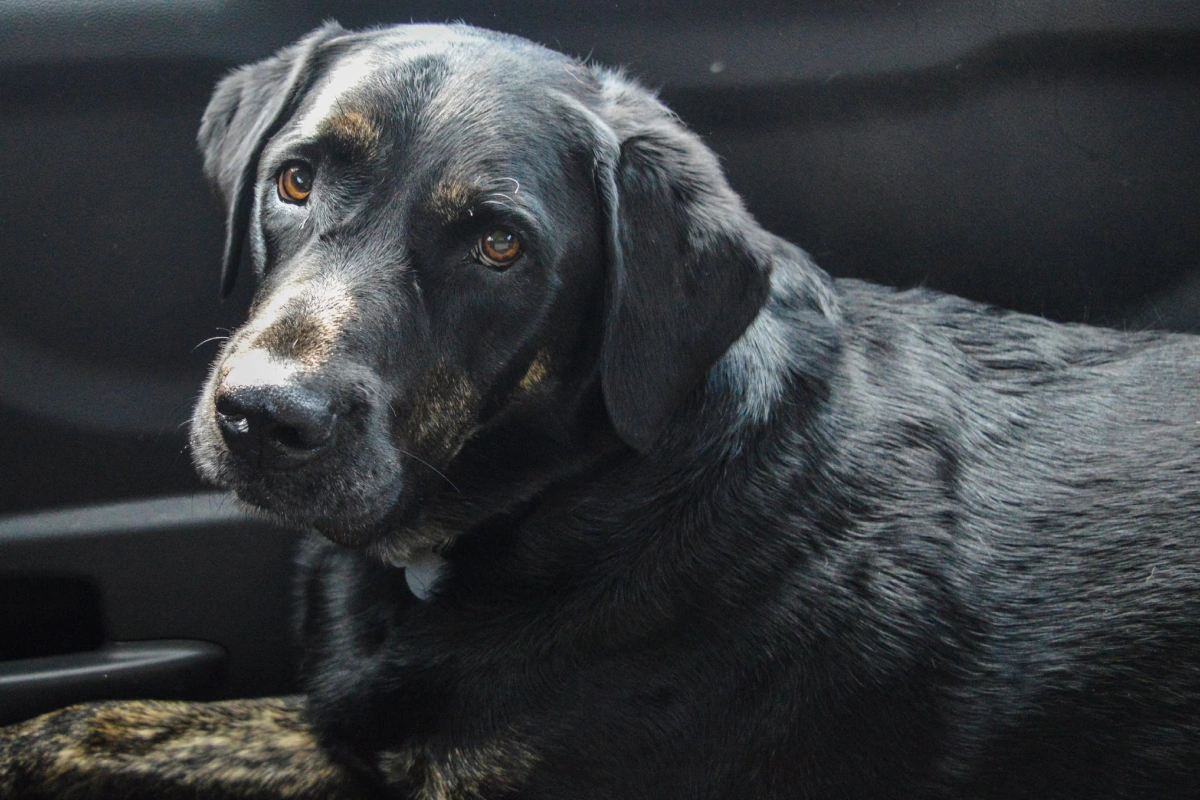
For now, our pet dogs appear to be at low risk, but that could change quickly. (If you would like to learn more about the strains of influenza that do cause severe problems for dogs, please read our blog titled Does My Dog Need a Canine Influenza Vaccine?)
Despite the low risk, experts recommend that dogs avoid exposure to sick or deceased wild birds. I know we have hunting dogs in our area who retrieve waterfowl. At the moment, there are no reports of Bird Flu causing disease in hunting dogs. That may change suddenly, so please continue to listen to the news to stay up to date on the latest developments.

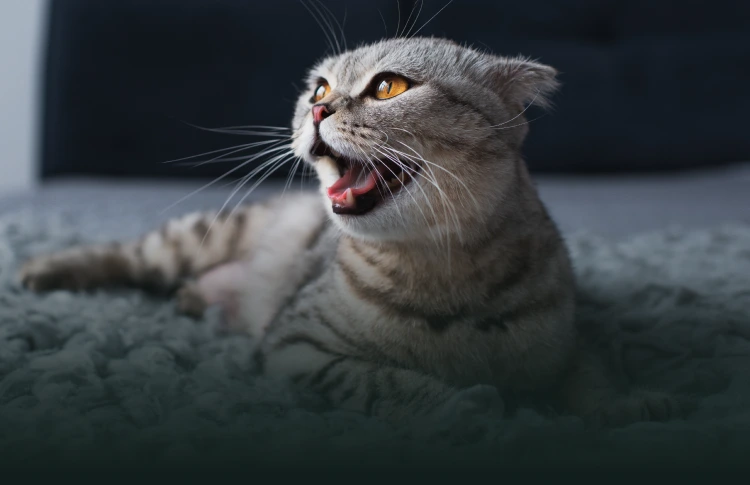
Cats are the main pet we are worried about dying from Bird Flu because there have been multiple reports of pet cats in the United States dying from Avian Influenza.
The two main ways that pet cats can be exposed to bird flu are:
- Consuming raw food diets (raw meat and raw milk)
- Interacting with dead wildlife birds
If you would like to protect your cat from Bird Flu, we recommend avoiding raw foods or raw milk and considering keeping your cat inside to avoid any wild birds – especially carcasses of migrating waterfowl – that they might encounter outside.
The symptoms of Avian influenza in cats include the following neurologic and respiratory issues:
- Sudden clumsiness or stumbling when walking
- Seizures or tremors
- Abrupt change in behavior that may be described as severe depression
- Large amount of snotty discharge from nose or goopy eyes
- Struggling to breathe
If you think your cat may have symptoms of Bird Flu, you may text or call us at 815-942-1199 or read this article by the AVMA – Avian influenza A (H5N1) in cats.