




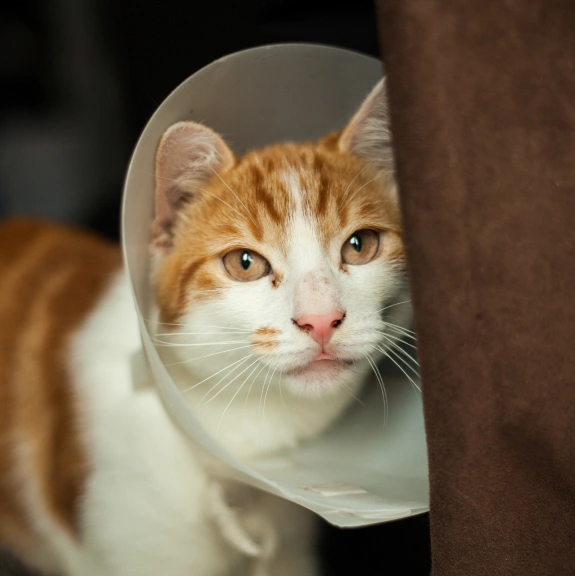


Comprehensive Surgical Services for Pet Health
Our surgeons are experienced at performing routine soft tissue surgeries – including spays, neuters, and lump removals. The surgery team also includes our experienced veterinary technicians who closely monitor anesthetized patients and provide compassionate post-op care.
Our team rigorously monitors anesthesia and cardiovascular functioning throughout each stage of surgery- from pre-surgical sedation to complete recovery. An exam and pre-surgical bloodwork is conducted to determine what is best anesthesia protocol for your pet. For instance, we consider factors such as the type of procedure, pre-existing conditions, blood test values, breed, and prior anesthetic experience.

Spay/Neuter Procedures
Spay and neuter are minor procedures that will benefit you as well as your pet. (“Spay” is the term for female patients, and “Neuter” is for male patients.) This procedure allows your pet to live a longer and healthier life. Meanwhile, you will experience less troubles associated with natural sexual instinct, pregnancy, and heat periods. At Lakewood Animal Hospital, our team is highly experienced to perform spay and neuter procedures and ensure your pet is safe and comfortable from the moment they are dropped off until the moment they go home.

Spaying: a surgical removal of the ovaries and uterus
- Prevents unwanted pregnancies
- Eliminates messy, problematic bleeding and heat cycles
- Decreases the urge to roam
- Reduces the probability of mammary or uterine cancer
- Resolves the risk of pyometra (life-threatening uterine infection)
- Decreases aggressive behaviors and mood changes
- Can create a better companion for you and your family
Neutering: surgical removal of the testicles
- Decreases aggressive behaviors
- Eliminates life-threatening testicular cancer
- Reduces probability of prostate issues
- Decreases the urge to roam
- Encourages longevity
- Can create a better companion for you and your family
Dentistry & Oral Surgery
If your pet has been diagnosed with dental disease and other therapies have proven ineffective, we are able to provide relief by performing oral surgery. Our team is experienced in common procedures from extracting broken or diseased teeth to more advanced oral surgery such as oral tumors.
Read more about our new split Two-Stage Dental Procedures here.
Soft-tissue Surgery
For the most part, soft-tissue surgery involves any procedure that does not involve bones or joints. Like any procedure performed at Lakewood Animal Hospital, our skilled team will closely monitor your companion before, during, and after surgery to make sure they are as safe and comfortable as possible.
We Commonly Perform:
- Mass Removal: removal of growths, tumors, and hernias
- Urinary Tract Surgery: removal of urinary bladder stones
- Wound Reconstruction: reconstruction and treatment of traumatic lacerations
Population Control: Spay and Neuter
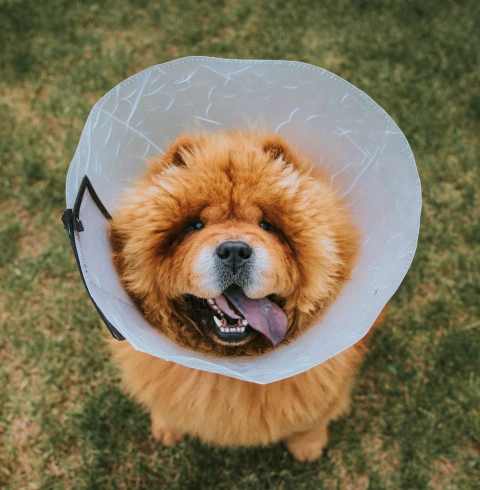
Tumor & Growth Removal
Tumors and lumps are especially common in geriatric pets, but they can appear at any age. Depending upon the location of the tumor/growth, it may become increasingly more difficult to remove as it continues to grow, particularly in areas such as the throat or limbs. If you notice a lump or bump on your pet that is quickly growing or changing, notify your veterinarian immediately.
Growths can be classified as malignant (likely to spread) or benign (unlikely to spread). Even if the growth is benign, we recommend surgical removal if necessary to ensure your pet’s comfort. If the growth is diagnosed as malignant, surgical removal is performed and additional treatment may be needed.
Read more about what to do if you see a new lump or bump on your pet here.

Hernia Repair
Hernias occur when there is a defect in the abdominal wall leading to internal organs trying to escape through the hole. Hernia repair can be a minor procedure when addressed early. Once hernias are identified, we strongly encourage surgical correction to prevent enlargement, which is common with weight gain, exercise, pregnancy, and trauma. If you discover an enlarged hernia and your pet is having upset stomach issues, urgent medical attention is required to prevent severe complications.
Foreign Body Removal
Common worrisome objects that end up in your pet’s stomach and cause a blockage include: socks, balls, chew toys, bones, hair ties, rocks, pantyhose, underwear, and sticks. Some objects easily pass through the gastrointestinal tract, but some get stuck which can lead to life-threatening medical concerns. The size of your pet and the object largely determines its chances of safely passing through. Signs of a gastroinestinal tract obstruction include: loss of appetite, dehydration, vomiting, inactivity, painful abdomen, weakness, abnormal stools (diarrhea, constipation, blood, odd color), and pale gums.
String is one of the most threatening foreign bodies because it can become twisted and entangled in the small intestine which ultimately stops blood flow and leads to tissue death. In extreme cases, if the string tightens too much, it may possibly cut the wall of the intestines leading to very dangerous situations.
Contact us immediately if you think your pet has ingested something that you think may be stuck in there.