




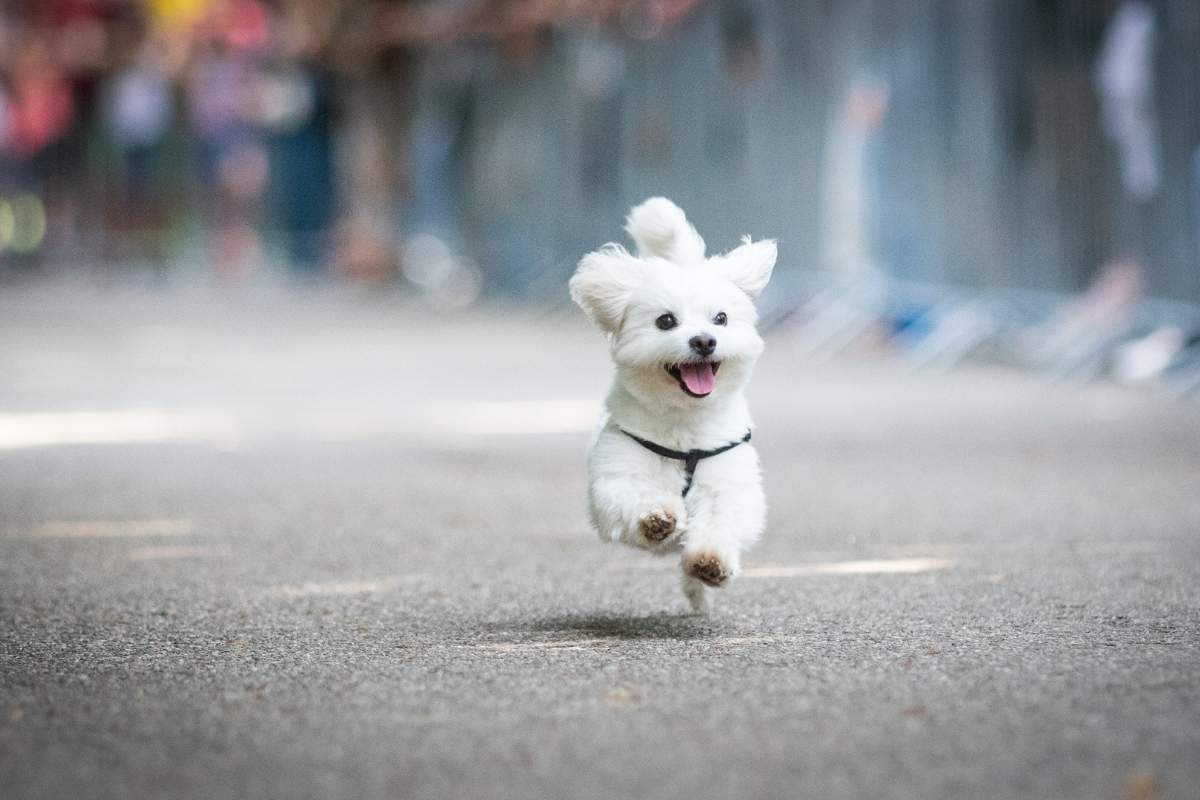
Bringing home a puppy is an exciting experience. Puppies are playful, curious, and full of energy, but they also require the right balance of exercise and rest to grow healthy and strong. While regular activity is important, too much exercise can strain developing joints and muscles.
Understanding how much exercise your puppy needs—and how to provide it safely—can help ensure they grow into a happy, healthy adult dog.
Why Exercise Is Important for Puppies
Exercise is essential for a puppy’s physical and mental development. It helps strengthen muscles, maintain a healthy weight, and improve coordination. Activity also provides mental stimulation, preventing boredom and unwanted behaviors like chewing furniture or excessive barking.
In addition to physical health, regular playtime helps puppies build confidence, socialize with people and other pets, and learn healthy habits early in life.
How Much Exercise Does a Puppy Need?
A helpful guideline many veterinarians recommend is the “5-minute rule.” Puppies can typically handle about 5 minutes of structured exercise per month of age, up to two times per day.
For example:
- 2-month-old puppy: about 10 minutes of exercise per session
- 3-month-old puppy: about 15 minutes per session
- 4-month-old puppy: about 20 minutes per session
These activities can include short walks, light playtime, or gentle training sessions.
Keep in mind that every puppy is different. Breed, size, and personality can influence how much exercise is appropriate.
Types of Exercise That Are Safe for Puppies
Not all exercise is the same. Puppies benefit most from activities that allow them to explore and move at a comfortable pace.
Short Walks
Short, relaxed walks help puppies burn energy while exploring their surroundings. Avoid long or intense walks, especially during early growth stages.
Interactive Play
Playing games such as fetch, tug-of-war, or hide-and-seek keeps puppies active while strengthening the bond between you and your pet.
Training Sessions
Training activities provide both physical and mental exercise. Teaching basic commands like “sit,” “stay,” and “come” can help stimulate your puppy’s mind.
Socialization Activities
Meeting other dogs, visiting pet-friendly parks, and experiencing new environments helps puppies develop confidence and healthy social behaviors.
Signs Your Puppy Needs More Activity
If your puppy isn’t getting enough exercise, they may show signs such as:
- Excessive chewing
- Restlessness
- Digging or destructive behavior
- Hyperactivity indoors
These behaviors often indicate that your puppy has extra energy that needs to be released through play and activity.
Signs Your Puppy May Be Overexercised
Too much activity can also cause problems for young dogs. Puppies that are overexercised may experience:
- Limping or stiffness
- Excessive tiredness
- Reluctance to walk or play
- Heavy panting
If you notice these signs, allow your puppy to rest and consult your veterinarian if symptoms continue.
Tips for Safe Puppy Exercise
Start Slowly
Gradually increase activity levels as your puppy grows. Avoid intense exercise during the early months of development.
Avoid High-Impact Activities
Jumping, running on hard surfaces, or climbing stairs repeatedly can place stress on developing joints.
Provide Plenty of Rest
Puppies need a lot of sleep—often 18–20 hours per day. Balance playtime with adequate rest.
Adjust for Weather
During hot summer days or cold winters in Morris, IL, modify exercise routines to keep your puppy comfortable and safe.
Supporting Your Puppy’s Healthy Growth
Regular exercise plays an important role in your puppy’s health, but it should always be balanced with proper nutrition, training, and veterinary care.
Routine wellness visits allow veterinarians to monitor your puppy’s development and recommend safe activity levels as they grow. The team at Lakewood Animal Hospital works closely with pet owners to support puppies through every stage of development, helping them grow into strong, healthy adult dogs.
If you have questions about your puppy’s exercise routine or overall health, scheduling a veterinary checkup can provide helpful guidance.
Frequently Asked Questions (FAQs)
Q1. How much exercise should a puppy get each day?
Ans. Most puppies benefit from short exercise sessions based on the “5-minute rule,” which recommends about five minutes of exercise per month of age.
Q2. Can puppies exercise too much?
Ans. Yes. Excessive exercise can strain developing bones and joints. Always keep activities short and age-appropriate.
Q3. What type of exercise is best for young puppies?
Ans. Gentle activities such as short walks, interactive play, and basic training sessions are ideal for young puppies.
Q4. At what age can puppies start longer walks?
Ans. Most puppies can gradually begin longer walks after six months of age, depending on their breed and overall health.
Q5. Why does my puppy still have lots of energy after exercise?
Ans. Puppies naturally have high energy levels. Mental stimulation, training, and socialization can help balance their activity and prevent boredom.
Related Articles