
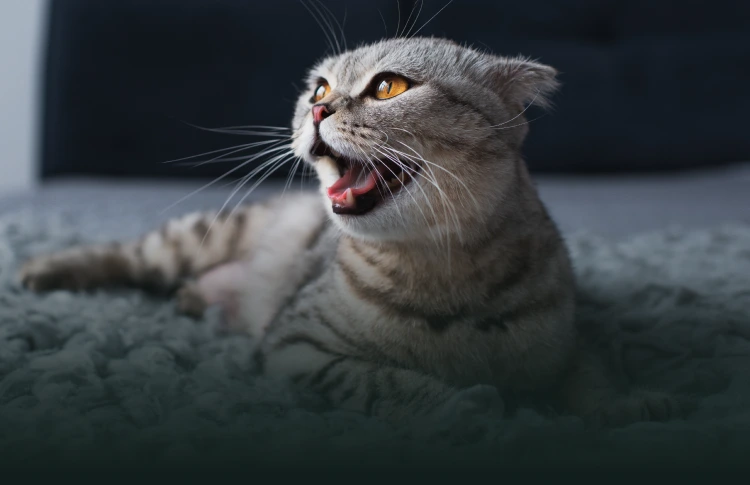



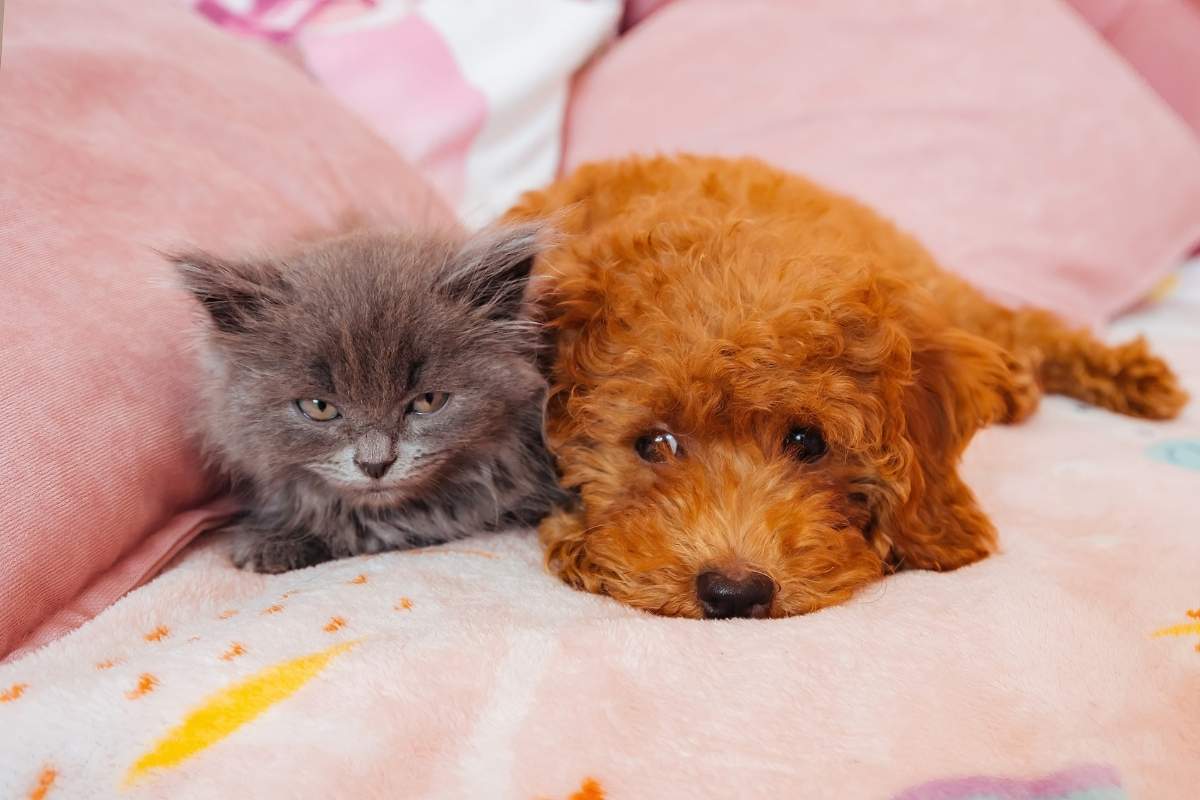
Bringing home a new puppy or kitten is an exciting and joyful experience. These early days are filled with playfulness, curiosity, and bonding moments. However, they also come with responsibilities. Proper training and care during the early stages of life are essential for raising a well-behaved, healthy, and happy pet.
For pet owners in Morris, having guidance from a trusted veterinary team like Lakewood Animal Hospital can make a significant difference in ensuring your young companion gets the best possible start.
The Importance of Early Training
Training should begin as soon as your puppy or kitten arrives home. Early training helps establish boundaries, encourages good behavior, and prevents future problems.
For puppies, focus on:
- House training
- Basic commands like sit, stay, and come
- Leash training and socialization
For kittens, training involves:
- Litter box habits
- Scratching behavior management
- Gentle handling and interaction
Consistency and positive reinforcement are key. Reward-based training using treats, praise, or toys encourages your pet to repeat good behavior and builds trust.
Socialization: Building Confidence and Comfort
Socialization is a critical part of your pet’s development. Introducing your puppy or kitten to different environments, people, and other animals helps reduce fear and anxiety later in life.
Puppies benefit from:
- Meeting new people and pets
- Exposure to different sounds and environments
- Controlled outdoor experiences
Kittens should be gently introduced to:
- Household noises
- Visitors
- Handling for grooming and vet visits
Early socialization helps your pet grow into a confident and well-adjusted adult.
Nutrition for Growing Pets
Proper nutrition is vital for puppies and kittens, as their bodies are developing rapidly. Feeding high-quality, age-appropriate food supports healthy growth, strong bones, and a robust immune system.
Key nutritional tips include:
- Choose food specifically formulated for puppies or kittens
- Follow recommended feeding portions
- Avoid overfeeding to prevent obesity
- Provide fresh water at all times
Your veterinarian can help you select the best diet based on your pet’s breed, size, and health needs.
Routine Veterinary Care
Regular veterinary visits are essential for monitoring your pet’s development and preventing illness. Puppies and kittens require a series of vaccinations and checkups during their first year.
Routine care typically includes:
- Vaccinations to protect against common diseases
- Deworming and parasite prevention
- Growth and weight monitoring
- General health examinations
These visits also allow your vet to detect any early health concerns and provide timely treatment.
Grooming and Hygiene Basics
Establishing a grooming routine early makes it easier to maintain your pet’s hygiene as they grow.
For puppies:
- Regular brushing to maintain coat health
- Nail trimming
- Occasional baths using pet-safe products
For kittens:
- Gentle brushing to reduce shedding
- Nail trimming to prevent damage from scratching
- Cleaning ears and checking eyes
Introducing grooming gradually helps your pet become comfortable with handling and reduces stress during future grooming sessions.
Creating a Safe and Comfortable Environment
Your home should be a safe space where your puppy or kitten can explore without risk.
Important steps include:
- Removing hazardous items like small objects or toxic plants
- Providing a comfortable sleeping area
- Using baby gates or barriers if needed
- Keeping electrical cords out of reach
A safe environment not only prevents accidents but also encourages healthy exploration and learning.
Understanding Behavior and Communication
Young pets communicate through their behavior. Understanding these signals helps you respond appropriately and build a strong bond.
Common behaviors include:
- Chewing (especially in puppies) due to teething
- Scratching (in kittens) as a natural instinct
- Vocalization to express needs or discomfort
Redirect unwanted behavior with appropriate alternatives, such as chew toys for puppies or scratching posts for kittens.
Exercise and Mental Stimulation
Puppies and kittens have plenty of energy and require regular physical activity and mental engagement.
For puppies:
- Daily walks and playtime
- Interactive toys
- Training sessions
For kittens:
- Toys that mimic prey
- Climbing structures
- Short, frequent play sessions
Regular activity keeps your pet physically fit and prevents boredom-related behaviors.
Building a Strong Relationship with Your Veterinarian
Developing a relationship with a trusted veterinary team is essential for your pet’s lifelong health. Regular visits ensure your pet’s growth and development are on track and provide an opportunity to ask questions about care, behavior, and nutrition.
If you’ve recently welcomed a new puppy or kitten into your home, it’s the perfect time to prioritize their health and schedule an appointment today to get expert guidance and support.
FAQs
1. When should I start training my puppy or kitten?
Ans: Training should begin as soon as your pet comes home. Early training helps establish good habits and prevents behavioral issues.
2. How often should puppies and kittens visit the vet?
Ans: Young pets typically need multiple visits during their first year for vaccinations, checkups, and growth monitoring.
3. What is the best diet for puppies and kittens?
Ans: A high-quality, age-specific diet designed for puppies or kittens is ideal for supporting growth and development.
4. How can I stop my puppy from chewing everything?
Ans: Provide appropriate chew toys and redirect their attention whenever they chew on inappropriate items.
5. Why is socialization important for young pets?
Ans: Socialization helps reduce fear and anxiety, making your pet more confident and well-behaved as they grow.
6. How do I litter train a kitten?
Ans: Place your kitten in the litter box regularly, especially after meals, and keep the box clean to encourage consistent use.
Related Articles