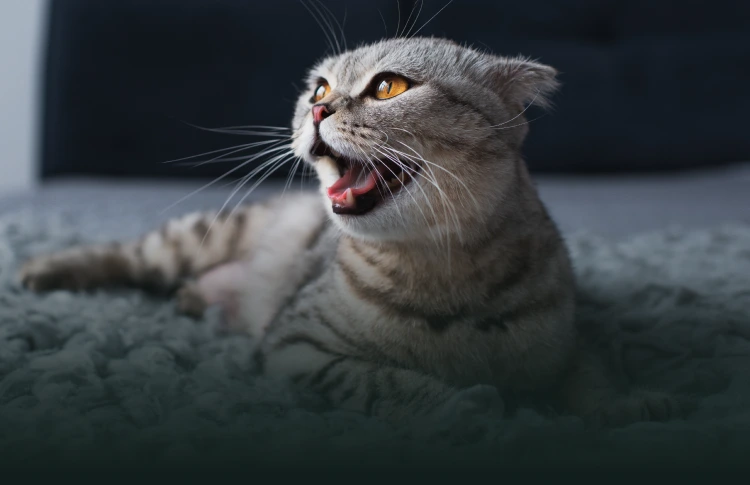



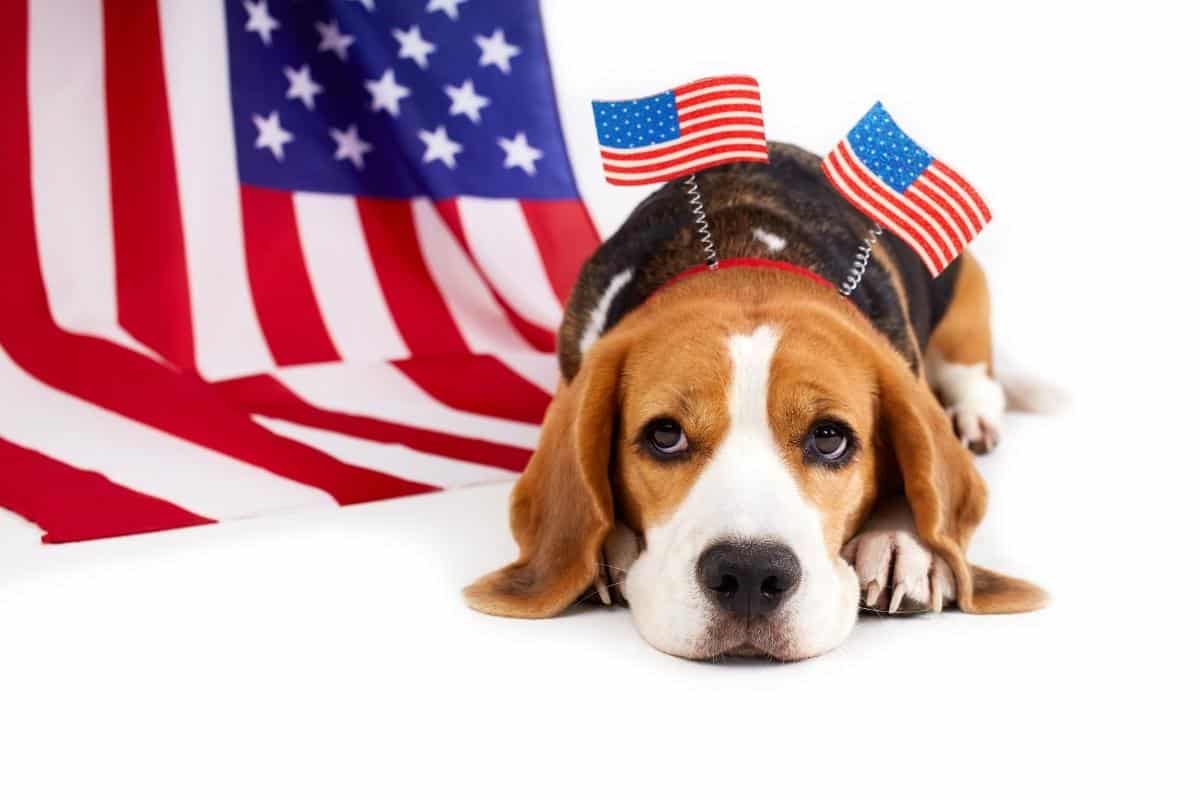
The Fourth of July is a time for family gatherings, backyard barbecues, fireworks, and outdoor celebrations. While these traditions bring excitement for people, they can create unexpected risks for pets. Dogs and cats often react differently to loud noises, unfamiliar visitors, rich foods, and changes in their daily routine. Without proper precautions, a festive holiday can quickly turn into a stressful or even dangerous experience for your furry companion.
For pet owners seeking veterinary care in Morris, understanding common Independence Day hazards can help reduce the risk of illness or injury. A little preparation goes a long way in keeping your pet comfortable and protected throughout the holiday.
Why the Fourth of July Can Be Challenging for Pets
Unlike people, pets do not understand the sights and sounds associated with holiday celebrations. Fireworks, crowded gatherings, unfamiliar smells, and open doors can all create situations that make dogs and cats anxious or place them in harm’s way.
Even pets that are normally calm may become overwhelmed by the sudden increase in activity. Being aware of these potential hazards allows you to make informed decisions that prioritize your pet’s health and well-being.
Fireworks Can Cause More Than Fear
Fireworks are one of the biggest concerns during the Fourth of July. The loud explosions, flashing lights, and lingering smoke can be frightening for both dogs and cats.
Some pets may respond by:
- Trembling or shaking
- Hiding under furniture
- Barking or meowing excessively
- Panting heavily
- Pacing around the house
- Trying to escape through doors, windows, or fences
Even indoor pets may become frightened if fireworks continue late into the evening. Creating a quiet indoor environment before celebrations begin can help minimize stress.
The Risk of Pets Running Away
Every year, many pets become separated from their families during Fourth of July celebrations. Loud noises can trigger panic, causing even well-trained pets to bolt through open doors or damaged fencing.
To reduce the chance of a pet escaping:
- Keep dogs and cats indoors before fireworks begin.
- Check that gates and fences are secure.
- Close windows and curtains to reduce outside noise.
- Make sure identification tags are attached to collars.
- Avoid leaving pets unattended in the yard during celebrations.
Keeping your pet inside a familiar environment is one of the simplest ways to help them stay safe.
Backyard Barbecues Can Be Risky
Holiday cookouts are another source of potential danger for pets. Many popular barbecue foods are not appropriate for dogs or cats and may lead to digestive upset or more serious health concerns.
Common foods to keep away from pets include:
- Cooked bones
- Corn cobs
- Fatty meat scraps
- Onions
- Garlic
- Grapes and raisins
- Chocolate desserts
- Foods containing artificial sweeteners
- Alcoholic beverages
Guests may unknowingly offer table scraps to pets, so it’s helpful to remind everyone that human food is not always pet-friendly.
Providing your pet with their regular meal before guests arrive may also reduce the temptation to beg for food.
Heat and Humidity Can Affect Your Pet’s Health
July temperatures can rise quickly, especially during afternoon celebrations. Dogs and cats can overheat much faster than people, particularly when spending extended periods outdoors.
Pets that may be at greater risk include:
- Senior pets
- Puppies and kittens
- Flat-faced breeds
- Pets with thick coats
- Overweight animals
Watch for signs that your pet may be struggling with the heat, including:
- Excessive panting
- Drooling
- Weakness
- Bright red gums
- Difficulty walking
- Vomiting
Provide plenty of fresh water, access to shade, and frequent opportunities to cool down indoors during the hottest part of the day.
Decorations May Look Harmless but Can Be Dangerous
Holiday decorations add festive spirit, but some items can become hazards for curious pets.
Items that deserve extra attention include:
- Small flags
- Decorative ribbons
- Balloons
- String lights
- Plastic decorations
- Glow sticks
Pets may chew or swallow these objects, increasing the risk of choking or digestive obstruction.
Keeping decorations out of reach and supervising curious pets can help prevent unnecessary accidents.
Sparklers and Open Flames Can Cause Injuries
Many families enjoy sparklers during Independence Day celebrations. Although they appear harmless, sparklers burn at extremely high temperatures and can easily cause burns if pets get too close.
Outdoor grills, fire pits, candles, and portable cooking equipment also present burn risks.
To improve safety:
- Keep pets away from active cooking areas.
- Prevent access to fire pits after they have been used.
- Never allow pets to play with sparklers or discarded fireworks.
- Supervise outdoor activities carefully.
Creating clear boundaries between pets and active celebration areas helps reduce the likelihood of injury.
Crowded Gatherings Can Increase Stress
Holiday parties often bring unfamiliar people into your home. While some pets enjoy meeting guests, others may become nervous when routines change.
Stress may increase if pets experience:
- Constant noise
- Children running around
- Multiple visitors entering and leaving
- New pets visiting the home
- Limited opportunities to rest quietly
If your pet appears overwhelmed, provide a quiet room where they can relax away from the activity. Include familiar bedding, favorite toys, and fresh water to help create a calming environment.
Outdoor Games May Create Unexpected Hazards
Fourth of July celebrations frequently include lawn games, sports equipment, bicycles, and children’s toys. Curious pets may accidentally run into these activities or chew on equipment left in the yard.
Potential hazards include:
- Tennis balls left unattended
- Cornhole bags
- Frisbees
- Lawn darts
- Water balloons
- Plastic cups and utensils
Cleaning up throughout the event helps reduce opportunities for accidental injuries or swallowed objects.
Water Safety During Summer Celebrations
Some families celebrate with pools, lakes, or backyard water activities. While many dogs enjoy swimming, not every pet is comfortable around water.
Always supervise pets around pools and unfamiliar bodies of water. Make sure they know how to exit a pool safely and provide frequent breaks to avoid exhaustion.
Fresh drinking water should always be available so pets are less likely to drink from pools or other questionable water sources.
Keep Your Pet’s Routine as Normal as Possible
Holiday celebrations often involve changes in schedule, visitors, and extra excitement. While these changes may be enjoyable for people, they can leave pets feeling uncertain. Maintaining as much of your pet’s regular routine as possible can help reduce stress throughout the day.
Try to:
- Feed your pet at their usual time.
- Take dogs for walks before festivities begin.
- Provide regular bathroom breaks.
- Offer interactive toys or puzzle feeders to keep them occupied.
- Allow your pet to rest in a familiar, quiet area.
Keeping familiar routines in place helps many pets feel more secure, even when the household is busier than usual.
Know When Your Pet Needs Veterinary Attention
Despite careful planning, accidents can still happen. Recognizing the warning signs of illness or injury allows you to seek timely medical care before a condition becomes more serious.
Watch for symptoms such as:
- Persistent vomiting or diarrhea
- Difficulty breathing
- Severe limping or inability to stand
- Burns or cuts
- Continuous trembling or extreme distress
- Loss of consciousness
- Repeated attempts to vomit without producing anything
- Unusual weakness or collapse
If your pet experiences any of these signs during or after the holiday, contacting a veterinary professional promptly is the best course of action.
Preparing Before the Holiday Makes a Difference
A little preparation can help prevent many common Fourth of July hazards.
Consider these simple steps before celebrations begin:
- Inspect your yard for potential escape routes.
- Store fireworks and lighter fluid securely.
- Keep trash containers covered.
- Remove leftover food promptly.
- Set up a quiet indoor room for your pet.
- Inform guests not to feed your pet table scraps.
- Keep collars and identification tags securely fastened.
Planning ahead gives you more time to enjoy the holiday while helping your pet remain safe and comfortable.
Celebrate Responsibly With Your Pet in Mind
The Fourth of July should be enjoyable for every member of the family, including your pets. By understanding common seasonal hazards and taking preventive measures, you can greatly reduce the chances of unexpected health concerns.
Whether it’s protecting your dog from loud fireworks, preventing access to unsafe foods, or providing a calm indoor environment, small decisions can have a significant impact on your pet’s well-being.
If you have questions about keeping your pet healthy during the holiday or notice unusual symptoms afterward, don’t hesitate to schedule for an appointment with a trusted veterinary team. For compassionate veterinary care in Morris, the experienced professionals at Lakewood Animal Hospital are committed to helping dogs and cats stay healthy, comfortable, and safe throughout every season.
Frequently Asked Questions
1. Why are fireworks so stressful for dogs and cats?
Ans: Fireworks produce loud, unpredictable noises and bright flashes that many pets perceive as threats. This can trigger fear, anxiety, and escape behaviors, even in normally calm animals.
2. Can my pet eat food from a Fourth of July barbecue?
Ans: Many barbecue foods are not suitable for pets. Fatty meats, cooked bones, onions, garlic, chocolate desserts, grapes, raisins, and foods containing artificial sweeteners should always be kept out of reach.
3. How can I help keep my pet calm during holiday celebrations?
Ans: Create a quiet indoor space away from the noise, keep windows and curtains closed, maintain your pet’s regular routine, and provide familiar toys or bedding to help them feel secure.
4. What signs indicate my pet may need veterinary attention after the holiday?
Ans: Persistent vomiting, difficulty breathing, severe limping, burns, excessive weakness, collapse, repeated unsuccessful attempts to vomit, or any sudden change in behavior should be evaluated by a veterinary professional.
5. Are outdoor decorations dangerous for pets?
Ans: Yes. Balloons, ribbons, glow sticks, small flags, string lights, and other decorative items can become choking hazards or cause digestive blockages if chewed or swallowed.
6. How can I make my backyard safer for pets during Fourth of July gatherings?
Ans: Keep pets away from grills and fire pits, remove leftover food promptly, secure trash containers, supervise outdoor activities, and inspect your yard for any objects or gaps that could lead to injury or escape.