




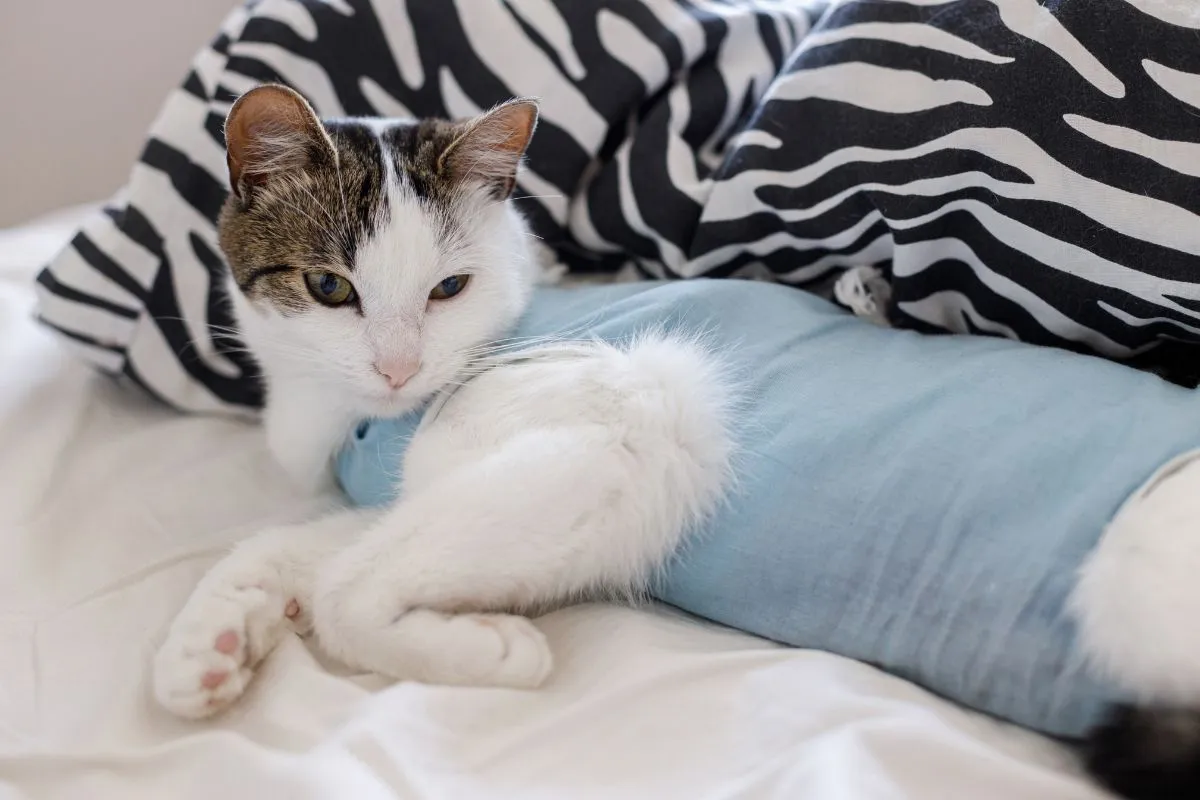
Caring for your cat after surgery is an important part of ensuring a smooth and successful recovery. Whether your pet has undergone a routine procedure or a more complex operation, the right post-surgical care can help reduce discomfort, prevent complications, and speed up healing.
At Lakewood Animal Hospital, we understand how important your cat’s comfort and safety are during recovery. Here’s how you can support your feline friend every step of the way.
1. Follow Veterinary Instructions Closely
Your veterinarian will provide detailed aftercare instructions tailored to your cat’s procedure. This may include medication schedules, feeding recommendations, and activity restrictions. Following these guidelines carefully is essential to avoid complications and ensure proper healing.
If anything seems unclear, don’t hesitate to reach out for clarification.
2. Set Up a Calm Recovery Space
Create a quiet, cozy area where your cat can rest without disturbances. Keep this space away from noise, children, and other pets. A comfortable bed, easy access to food and water, and a nearby litter box will help your cat feel safe and relaxed.
A stress-free environment plays a big role in faster recovery.
3. Keep an Eye on Behavior and Pain
Cats often hide signs of discomfort, so it’s important to watch for subtle changes such as:
- Loss of appetite
- Low energy or reluctance to move
- Excessive grooming near the incision
- Hiding or unusual aggression
If you notice any of these signs, contact your veterinarian to ensure your cat’s pain is properly managed.
4. Protect the Surgical Area
Prevent your cat from licking or biting the incision, as this can lead to infection or delayed healing. An Elizabethan collar (cone) is often recommended to keep the area protected.
While it may take some time for your cat to adjust, this step is crucial for proper recovery.
5. Limit Physical Activity
After surgery, your cat should avoid jumping, running, or rough play. Too much movement can strain the incision and slow healing.
Keep your cat in a confined area and gradually reintroduce activity only when your veterinarian gives approval.
6. Watch for Signs of Infection
Check the surgical site daily for any unusual changes, including:
- Redness or swelling
- Discharge or unpleasant odor
- Increased sensitivity or pain
- Fever or lethargy
If you notice any of these symptoms, seek veterinary care immediately to prevent complications.
7. Support Recovery with Proper Nutrition
Your cat may have a reduced appetite after surgery, but proper nutrition is essential for healing. Offer small portions of easily digestible or wet food to encourage eating and hydration.
If your cat refuses food for more than a day, consult your veterinarian for guidance.
8. Ease Back Into Routine Gradually
As your cat begins to feel better, slowly return to normal routines like playtime and grooming. Avoid rushing the process—healing takes time, and gradual adjustments help prevent setbacks.
Helping Your Cat Heal with Confidence
Post-surgery care can feel overwhelming, but with the right approach, your cat can recover comfortably and safely. By following professional guidance, monitoring your pet’s condition, and creating a calm environment, you’ll set them up for a smooth healing journey.
If your cat is preparing for or recovering from a procedure, schedule your appointment with Lakewood Animal Hospital today. Our experienced team provides trusted care for pet surgery Morris, helping your pet return to a happy, healthy life.
FAQs
Q1. How long does recovery usually take?
Ans: Most cats recover within 10–14 days, though more complex surgeries may require additional time.
Q2. Can I give my cat human pain medication?
Ans: No, human medications can be harmful. Always use vet-prescribed treatments only.
Q3. How do I stop my cat from licking the incision?
Ans: An Elizabethan collar (cone) is the most effective way to prevent licking or biting.
Q4. Is it okay for my cat to roam freely after surgery?
Ans: No, limiting movement is important to avoid complications and support healing.
Q5. What if my cat won’t eat?
Ans: If your cat refuses food for more than 24 hours, contact your veterinarian.
Q6. When can normal activity resume?
Ans: Typically after 10–14 days, but always follow your vet’s recommendations.
Related Articles