


Your pet’s teeth may look clean at a quick glance, but that does not always mean the mouth is healthy. Much of each tooth sits below the gumline, where problems can develop without obvious changes at home. For pet parents in Morris, understanding these hidden concerns can make routine oral health checks more meaningful.
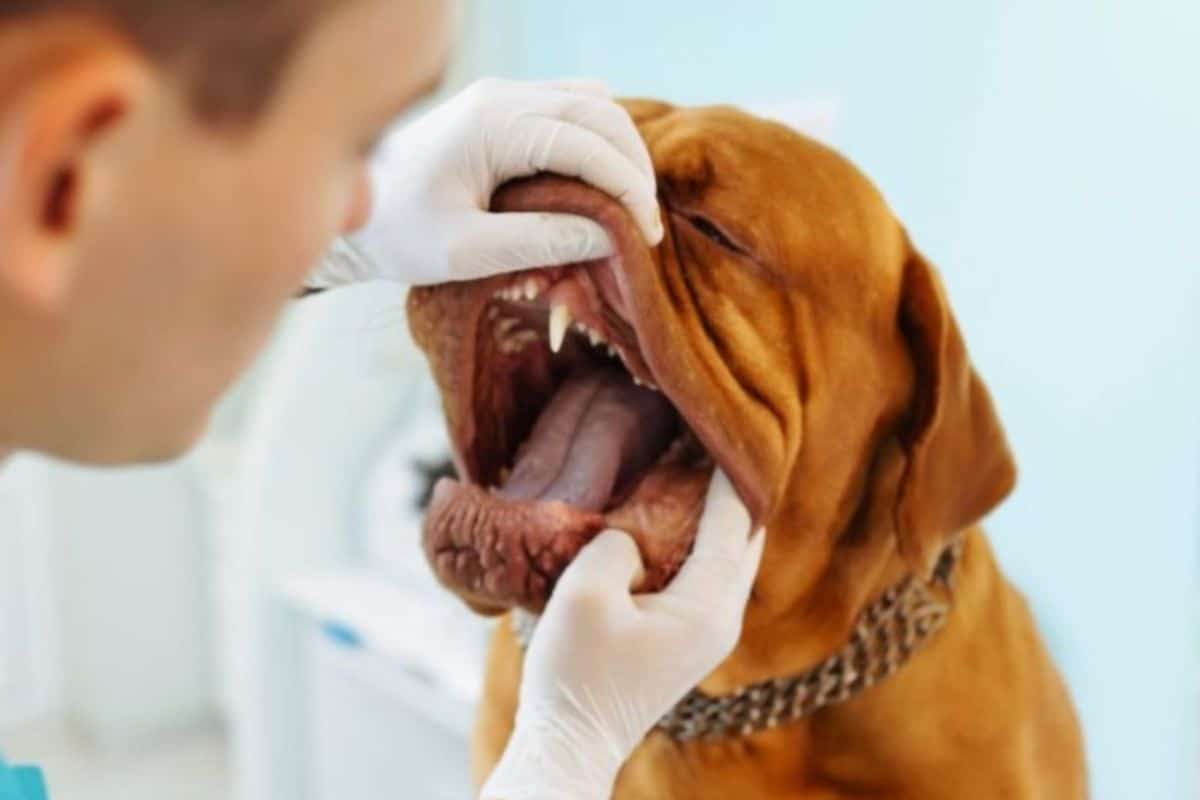
At Lakewood Animal Hospital, veterinary dental care includes evaluating the teeth and gums for problems that may cause pain, inflammation, or other oral health concerns. A professional pet dental exam can reveal much more than pet parents can typically see by lifting a lip and checking the visible teeth.
What Can a Pet Dental Exam Reveal That You Cannot See at Home?
A veterinary dental examination can identify disease below the gumline, around tooth roots, and within supporting bone. Dental radiographs are particularly important because more than half of a dog’s or cat’s tooth structure is below the gumline and cannot be fully assessed visually.
Hidden findings may include:
- Periodontal pockets and bone loss around teeth
- Tooth root abnormalities
- Fractures extending beneath the gumline
- Tooth resorption, particularly in cats
- Unerupted or abnormally positioned teeth
- Infection around a tooth root
- Cysts or abnormal tissue
- Oral masses
- Foreign material lodged around the gums
The American Animal Hospital Association notes that teeth that appear normal may still have clinically significant abnormalities detectable on intraoral radiography. A visual check at home therefore cannot replace a complete veterinary assessment.
Why Dental Disease Can Be Easy to Miss at Home
Dogs and cats cannot tell you that a tooth hurts. Some continue to eat and behave relatively normally even when oral disease is present. Dental discomfort can therefore progress before pet parents recognize a problem.
You may eventually notice bad breath, excessive drooling, difficulty chewing, dropping food, decreased appetite, bleeding gums, facial sensitivity, or changes in behavior. However, these signs can have several possible causes and do not confirm a specific dental condition.
Even visible tartar does not tell the whole story. The severity of periodontal disease depends partly on what is happening beneath the gums, including the loss of the tissues and bone that support a tooth.
How Dental X-Rays Find Problems Below the Gumline
Dental radiographs provide information that cannot be obtained by looking at the tooth crown alone. They allow veterinarians to assess tooth roots, surrounding bone, unerupted teeth, fractures, and other structures hidden below the gums.
According to veterinary dental guidelines, accurate periodontal assessment can require both dental radiographs and periodontal probing. During probing, the veterinarian evaluates the space surrounding each tooth for abnormal pockets and attachment loss.
This deeper evaluation is one reason professional veterinary dental care differs from simply removing visible tartar.
Contact our animal hospital if you notice persistent bad breath, difficulty eating, unusual drooling, bleeding from the mouth, or another change that concerns you. Dr. W. Miller can evaluate your pet and determine whether further dental assessment may be appropriate.
Why Is Anesthesia Used for a Complete Dental Evaluation?
An awake oral examination provides useful information, but it has limits. Pets cannot be expected to remain completely still while every tooth is probed and dental X-rays are taken.
General anesthesia allows the veterinary team to safely examine the entire mouth, obtain diagnostic dental images, clean above and below the gumline, and evaluate individual teeth in greater detail. AAHA guidelines state that a comprehensive oral assessment involving radiography requires general anesthesia.
Before an anesthetic dental procedure, your veterinarian may recommend an examination and appropriate pre-anesthetic testing based on your pet’s health and individual needs.
Which Pets May Need Closer Dental Monitoring?
Every dog and cat can develop oral disease, but the risk varies among pets. Small dogs can be particularly prone to periodontal problems because crowded teeth may create areas where plaque accumulates. Older pets may also have accumulated dental disease or conditions such as fractured or resorbing teeth.
Cats deserve close attention as well. Cornell University reports that tooth resorption is a common feline dental condition and can cause significant discomfort.
Your veterinarian can recommend an examination schedule based on age, oral findings, previous dental disease, breed characteristics, and home care.
Home Dental Care Helps, but It Has Limits
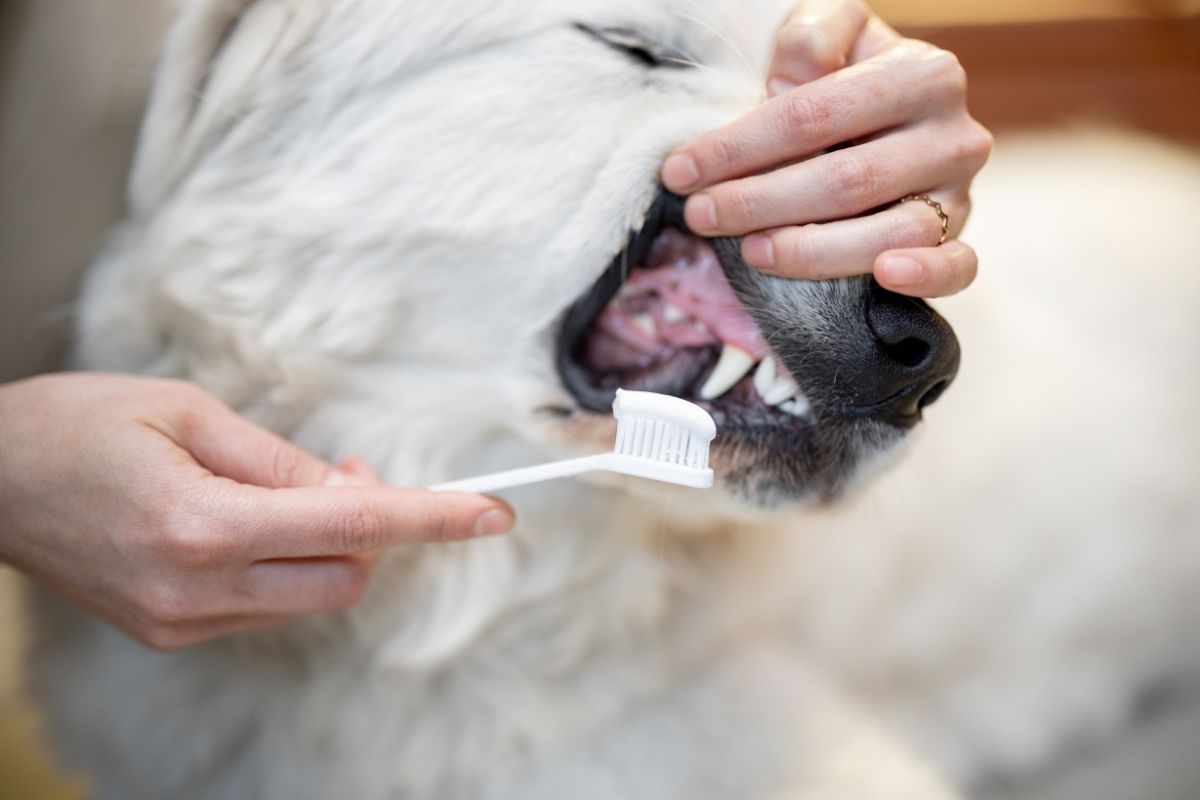
Brushing can reduce plaque accumulation and remains an important part of preventive oral care. Appropriate dental products may also support oral hygiene when recommended by your veterinarian.
However, home care cannot diagnose problems beneath the gumline. It also should not delay an examination when your pet develops persistent bad breath, oral bleeding, facial swelling, difficulty eating, or apparent mouth pain.
Sudden facial swelling, uncontrolled oral bleeding, significant trauma, breathing difficulty, or severe distress warrants prompt veterinary guidance.
Protect Your Pet’s Oral Health With a Professional Dental Exam
What you see at home is only part of your pet’s dental health. A veterinary examination can help identify changes in the gums, roots, supporting bone, and other oral structures before they become visible from the outside.
For pet parents in Morris and surrounding Illinois communities, Lakewood Animal Hospital provides dental examinations, dental radiography, cleanings, and other oral health services. If you are concerned about your pet’s mouth or want to discuss preventive veterinary dental care, contact our animal hospital at +1 815-942-1199 to schedule an evaluation with Dr. W. Miller.
Frequently Asked Questions
1. Can my pet have dental disease even if the teeth look clean?
Ans: Yes. A tooth can appear normal above the gumline while disease affects its root or supporting tissues beneath the gumline. A veterinary examination and dental radiographs may be needed to identify these hidden changes.
2. How often should my dog or cat have a dental exam?
Ans: Oral health should be assessed during routine veterinary visits. The timing of more complete dental evaluations or cleanings depends on age, breed, existing disease, home care, and findings during the examination.
3. Does bad breath always mean my pet has dental disease?
Ans: No. Persistent bad breath commonly occurs with oral disease, but it can have other causes. If the odor is new or strong, or if it is accompanied by changes in eating, drooling, bleeding, or discomfort, schedule a veterinary examination.
4. Why does my pet need dental X-rays?
Ans: Dental X-rays show structures hidden beneath the gums, including tooth roots and supporting bone. They may reveal root disease, bone loss, fractures, unerupted teeth, or other abnormalities that cannot be identified through visual inspection alone.
5. Can brushing my pet’s teeth prevent every dental problem?
Ans: No. Regular brushing can help control plaque, but it cannot identify or correct every oral condition. Broken teeth, tooth resorption, periodontal pockets, root problems, and other abnormalities may still require veterinary assessment.
6. When should I take my pet to the veterinarian for a dental problem?
Ans: Schedule an examination for persistent bad breath, trouble chewing, excessive drooling, bleeding gums, reduced appetite, or signs of mouth discomfort. Facial swelling, major oral trauma, heavy bleeding, or severe distress may require more immediate attention.