




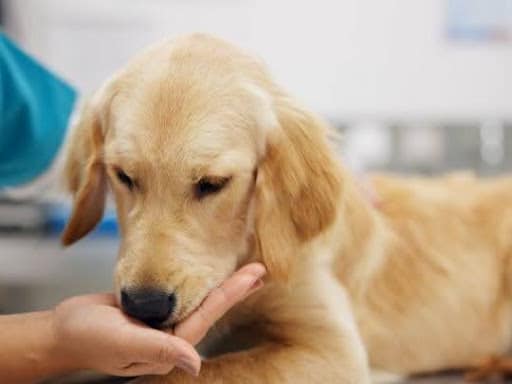
Knowing what to do when your pet suddenly becomes ill or injured can make a stressful situation easier to manage. Understanding basic first aid and knowing where to find urgent vet care in Morris can help you respond calmly when your dog or cat needs prompt veterinary attention.
What Is Urgent Pet Care?
Urgent pet care is veterinary care for health concerns that require timely attention but may not always require a scheduled routine appointment. Pets can develop sudden symptoms, sustain minor injuries, or experience changes in behavior that should be evaluated by a veterinary professional.
Examples of situations that may call for urgent pet care include:
- Persistent vomiting or diarrhea
- Sudden changes in appetite or water consumption
- Minor cuts, wounds, or swelling
- Limping or difficulty moving
- Ear discomfort or excessive scratching
- Sudden changes in behavior
- Mild breathing changes
- Possible ingestion of something unusual
- Signs of pain or significant discomfort
Because pets cannot explain how they feel, changes in their behavior, eating habits, movement, or appearance can provide important clues that something is wrong.
Basic First Aid for Pets
Having a basic understanding of pet first aid can help you provide appropriate support while arranging veterinary care. However, first aid should never replace an examination by a veterinary professional when your pet has a concerning health problem.
Keep Your Pet Calm
A sick or injured pet may become frightened, anxious, or defensive. Speak calmly and move slowly. Keep your pet in a quiet, comfortable area and avoid unnecessary handling.
Check for Visible Injuries
If your pet has a minor wound, look carefully for swelling, bleeding, or debris. Avoid applying household products, creams, or medications unless a veterinarian has specifically recommended them for your pet.
For a small amount of bleeding, gentle pressure with clean gauze or a clean cloth may help. If bleeding continues or the wound appears significant, seek veterinary attention promptly.
Avoid Giving Human Medications
Many medications designed for people can be harmful to dogs and cats. Do not give your pet over-the-counter pain relievers or other medications unless your veterinarian has specifically instructed you to do so.
If you believe your pet has swallowed medication or another potentially harmful substance, contact a veterinary professional for guidance as soon as possible.
Monitor Changes Closely
Pay attention to your pet’s behavior and physical condition. Keep track of symptoms such as vomiting, diarrhea, appetite changes, coughing, limping, or unusual tiredness. This information can help your veterinarian understand what has happened and determine the appropriate next steps.
When Should You Seek Urgent Pet Care?
Knowing when to contact a veterinary team is an important part of responsible pet ownership. A symptom that appears minor at first can sometimes become more concerning, particularly if it persists or worsens.
Consider seeking urgent pet care near you when your pet experiences a sudden health change that concerns you or does not improve with normal monitoring.
Signs that may warrant prompt veterinary evaluation include:
- Repeated vomiting or diarrhea
- Noticeable weakness or unusual lethargy
- Sudden difficulty walking
- Persistent coughing or breathing changes
- Significant changes in behavior
- A painful or swollen area
- A wound that needs professional cleaning or treatment
- Sudden loss of appetite accompanied by other symptoms
- Signs that your pet is experiencing ongoing discomfort
When you are uncertain about the seriousness of a symptom, contacting a veterinary professional can help you determine what type of care your pet may need.
How to Prepare for an Urgent Veterinary Visit
Being prepared can make an urgent veterinary visit more efficient. Before leaving home, gather useful information about your pet’s condition.
Make note of:
- When the symptoms first appeared
- What your pet was doing before the symptoms started
- Any changes in eating, drinking, or bathroom habits
- Any possible exposure to unfamiliar foods or substances
- Medications or supplements your pet currently receives
- Previous health concerns that may be relevant
If your pet has experienced vomiting, diarrhea, or another visible symptom, noting how frequently it occurred can also be helpful.
If you have packaging from a product your pet may have encountered, bring it with you when appropriate. Accurate information can help the veterinary team assess your pet more efficiently.
Finding Urgent Vet Care in Morris
When your pet needs prompt attention, choosing a veterinary hospital that can evaluate urgent health concerns gives you an important resource close to home. Searching for urgent vet care in Morris can help you identify a local veterinary team that understands the needs of pets and their families.
It is helpful to know where you can turn before a health concern occurs. Keep your veterinary hospital’s contact information accessible and familiarize yourself with its services and procedures for urgent visits.
Having this information ready can save valuable time when your pet’s health suddenly changes.
How Pet Owners Can Stay Prepared
Pet first aid is not just about knowing what to do after an injury or sudden illness. Preparation also involves creating a plan for contacting your veterinary team and keeping important information available.
Consider keeping a pet care kit with basic supplies such as clean gauze, towels, disposable gloves, and a digital thermometer designed for appropriate pet use. Store these supplies somewhere easy to access.
You should also regularly check your pet’s behavior, appetite, activity level, and normal routines. Because you know your pet best, recognizing unusual changes early can help you decide when to contact a veterinary professional.
Most importantly, do not hesitate to ask questions. If you are concerned about a new symptom, contacting your veterinarian can provide helpful guidance about whether your pet should be seen promptly.
Get Help With Your Pet’s Urgent Care Needs
Your pet’s health can change unexpectedly, and knowing where to turn for timely veterinary guidance can give you greater peace of mind. If your dog or cat develops a concerning symptom, contact our animal hospital to discuss your pet’s needs and available care options.
For local pet owners looking for reliable urgent pet care, Lakewood Animal Hospital in Morris is here to help. If you have questions about your pet’s health or need to arrange an appointment, call us at 815-942-1199.
Frequently Asked Questions
1. What is considered urgent pet care?
Ans: Urgent pet care generally involves health concerns that need timely veterinary evaluation, such as persistent vomiting, sudden limping, wounds, unusual behavior, or signs of discomfort. A veterinarian can determine the appropriate level of care based on your pet’s symptoms.
2. When should I look for urgent pet care near me?
Ans: You should consider urgent pet care near you when your pet develops a sudden or concerning health change that requires timely attention. If you are unsure whether your pet needs to be seen, contacting a veterinary professional can help you determine the next step.
3. Can I give my pet human pain medication?
Ans: No. Many human medications can be unsafe for pets. Do not give your dog or cat medication unless your veterinarian has specifically advised you to do so.
4. What should I bring to an urgent veterinary appointment?
Ans: Bring information about your pet’s symptoms, when they started, changes in eating or drinking, current medications, and any relevant medical history. If your pet may have encountered a particular product or substance, bringing its packaging can also be useful.
5. How can I prepare for an urgent pet care visit?
Ans: Keep your veterinary hospital’s phone number readily available, maintain a basic pet first-aid kit, and learn your pet’s normal behavior and routines. Recognizing changes early can help you seek appropriate veterinary guidance sooner.
6. What should I do if I am unsure whether my pet needs veterinary care?
Ans: When you are concerned about a sudden change in your pet’s health, contact a veterinary professional and describe the symptoms. The veterinary team can help you understand whether your pet should be evaluated promptly.