



Have you ever heard your cat make a quick, bird-like chirping sound and wondered what it means? Cats use a wide range of vocalizations to communicate with people, other animals, and their surroundings. While meowing may be the sound owners recognize most often, chirping, trilling, and chattering can also reveal important clues about a cat’s emotions and behavior.
A cat may chirp while watching birds through a window, greeting you in the morning, or following you around the house. In many situations, this unusual sound is completely normal. However, understanding the context behind the behavior can help you recognize whether your cat is expressing excitement, curiosity, frustration, or social interest.
What Does a Cat Chirp Sound Like?
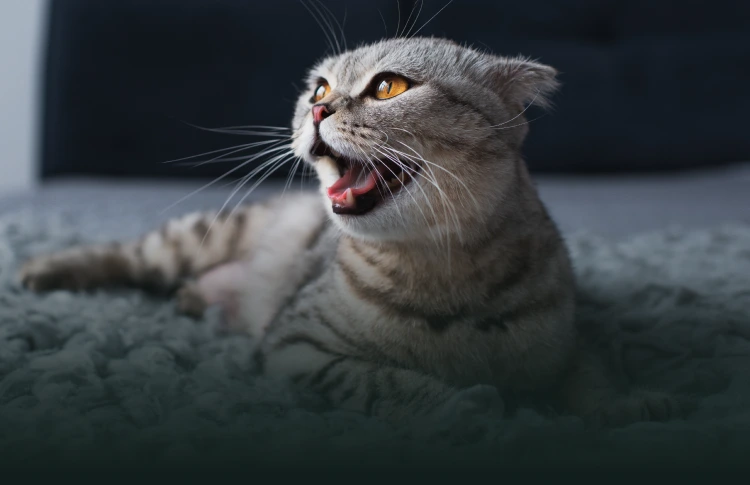
A cat chirp is usually a short, high-pitched vocalization that can sound surprisingly similar to a bird call. Some cats produce one quick chirp, while others make a series of repeated sounds. The vocalization may also resemble a trill or soft chatter.
Unlike a traditional meow, a chirp often has a distinctive rolling or staccato quality. Cats may produce it with their mouths slightly open or closed, depending on the situation.
The exact sound varies between individual cats. Some cats chirp frequently, while others rarely make the noise. A cat’s personality, environment, age, and experiences can all influence how often it vocalizes.
Because feline communication depends heavily on context, the sound itself is only part of the story. Watching your cat’s body language and identifying what is happening around the cat can provide additional clues.
Why Do Cats Chirp?
There is no single explanation for every instance of cat chirping. Cats can use this vocalization for several different reasons, and the meaning may depend on what has captured their attention.
Cats May Chirp When They See Prey
One of the most familiar examples is a cat chirping at birds. A cat sitting beside a window may suddenly become focused on a bird, squirrel, insect, or another small animal and begin making rapid chirping or chattering sounds.
This behavior may be connected to a cat’s natural hunting instincts. Watching potential prey can stimulate intense interest and excitement. The cat may remain completely focused on the animal while its tail moves, ears point forward, and eyes track every movement.
Some cats also chirp while watching prey they cannot reach. In this situation, the sound may reflect a combination of excitement and frustration.
Chirping Can Express Excitement
Cats may chirp when something captures their attention. A favorite toy, an interesting movement, or an engaging activity can sometimes trigger this vocalization.
For example, your cat might chirp when you bring out a toy or when you begin an interactive play session. The sound can accompany an alert posture and focused attention.
In these situations, chirping is generally just another way your cat expresses arousal or interest. It does not necessarily indicate distress.
Some Cats Chirp as a Social Greeting
Not every cat chirps at prey. Some cats use trills and chirps when interacting with their owners or other familiar animals.
Your cat may chirp when you walk through the door, approach its favorite sleeping area, or begin interacting with it. Some cats also chirp when they want you to follow them or pay attention.
These vocalizations may serve as friendly social communication. Cats can develop individual communication patterns with the people they live with, so you may eventually learn which sounds your own cat uses for greetings, attention, or excitement.
What Does Cat Chirping Mean When Looking Out a Window?
A cat sitting at a window and chirping at birds is one of the most recognizable forms of this behavior.
The visual stimulation from birds or other animals can activate a cat’s natural predatory sequence. Your cat may crouch, stare intensely, flick its tail, move its ears, or chatter rapidly.
Excitement and Frustration May Occur Together
A cat that sees prey through glass cannot chase or catch it. This creates an unusual situation in which the animal can see and track its target but cannot physically reach it.
The resulting chirping or chattering may therefore occur alongside excitement and frustration. Your cat is interested in what it sees, but the barrier prevents it from completing the chase.
This is generally normal feline behavior when your cat otherwise appears comfortable and healthy.
Chirping Does Not Necessarily Mean Your Cat Is Trying to Talk Like a Bird
Some people believe that cats chirp because they are attempting to imitate birds. While the sounds can be remarkably similar, there is not enough evidence to conclude that every chirping cat is deliberately mimicking prey.
The behavior is more appropriately understood as part of feline communication and predatory behavior. The exact reason can vary from one cat to another.
How Cat Body Language Helps Explain Chirping
Understanding why cats chirp becomes easier when you look beyond the sound itself. Body language can provide important context.
Signs of Positive Excitement
Chirping accompanied by the following behaviors may indicate curiosity or excitement:
- Ears directed toward the source of interest
- Bright, focused eyes
- Alert but relaxed posture
- Tail movement without obvious distress
- Interest in toys or nearby activity
- Normal appetite and daily behavior
For example, a cat chirping while watching a bird through a window may be highly stimulated but not frightened.
Signs That Your Cat May Be Stressed
Pay closer attention when chirping occurs with other unusual behaviors. Stress can sometimes be associated with:
- Flattened ears
- Hiding
- Crouching tightly
- Excessive vocalization
- Rapid breathing
- Avoidance of people or animals
- Sudden changes in normal behavior
A single unusual behavior does not automatically mean your cat is sick or stressed. However, a noticeable change in your cat’s normal communication pattern deserves attention, particularly if other symptoms appear.
Is Cat Chirping Normal?
For most healthy cats, occasional chirping is a normal form of vocal communication. Some cats are naturally more vocal than others. A cat may chirp frequently throughout the day, while another may only do it when watching birds or playing.
There is usually no reason to discourage normal chirping simply because the sound seems unusual. Instead, observe when it happens and what appears to trigger it.
Keeping track of your cat’s normal behavior can also help you recognize meaningful changes. If your normally quiet cat suddenly becomes extremely vocal, or if chirping begins alongside appetite changes, lethargy, difficulty breathing, pain, or other concerning signs, professional veterinary advice may be appropriate.
Veterinary care in Morris can help when behavioral changes occur alongside physical symptoms or when you are uncertain whether a change is normal for your cat.
When Should You Be Concerned About Your Cat’s Vocalization?
Chirping by itself is rarely a reason for concern. The circumstances surrounding the behavior are more important.
A veterinarian should evaluate your cat if unusual vocalization is accompanied by signs such as persistent vomiting, difficulty breathing, weakness, sudden loss of appetite, significant changes in litter box habits, apparent pain, or major changes in activity.
Cats are particularly skilled at hiding signs of illness. That means subtle behavioral changes can sometimes be worth discussing with a veterinary professional.
Routine examinations can also help monitor your cat’s overall health. Veterinary teams can assess physical condition and investigate changes that may not be obvious at home. Diagnostic services may be recommended when a cat’s symptoms require additional evaluation. Lakewood Animal Hospital, for example, offers diagnostic testing that can help veterinarians investigate internal health concerns.
How Can Cat Owners Respond to Chirping?
If your cat chirps while watching birds, playing, or interacting with you, there is generally no need to stop the behavior.
Instead, observe what triggers the sound. You may discover that your cat consistently chirps when:
- Watching wildlife outside
- Seeing a favorite toy
- Greeting a family member
- Asking for attention
- Following you around the home
- Becoming excited during play
Interactive play can provide an appropriate outlet for natural hunting behaviors. Wand toys and other supervised interactive activities can encourage healthy physical and mental stimulation.
If your cat becomes intensely focused on outdoor animals, make sure windows and screens are secure. Cats can become surprisingly determined when prey catches their attention.
Can Cats Chirp More as They Age?
Cats can change their vocalization patterns throughout their lives. A kitten may develop new sounds as it matures, while an adult cat may become more or less vocal depending on its environment and experiences.
Older cats can also experience changes in behavior or communication. A significant increase or decrease in vocalization should not automatically be dismissed as normal aging.
If a senior cat begins vocalizing unusually often, especially at night, or shows other changes in behavior, appetite, mobility, or litter box habits, a veterinary evaluation can help determine whether an underlying health issue is contributing to the change.
Regular veterinary visits are useful for monitoring age-related changes and identifying potential health concerns. Preventive examinations can include a physical assessment and discussions about changes in behavior, diet, activity, and overall wellbeing.
Understanding Your Cat’s Unique Language
Cats communicate through much more than meows. Chirping, trilling, chattering, body movements, facial expressions, and posture all contribute to feline communication. A cat may chirp because it is watching prey, responding to an interesting stimulus, greeting a familiar person, or expressing excitement.
The best way to understand the sound is to consider the entire situation. Notice what your cat is looking at, how its body is positioned, what happens immediately before the chirping, and whether the behavior is consistent with its normal routine.
If you are looking for a vet near you to discuss a noticeable change in your cat’s behavior or health, professional guidance can provide reassurance and help identify potential concerns. For families seeking an animal hospital in Morris, Lakewood Animal Hospital provides comprehensive veterinary services for cats, dogs, and other companion animals, including medical, surgical, dental, diagnostic, and urgent care.
When a behavioral change seems unusual or occurs alongside physical symptoms, contact our animal hospital so your cat can receive appropriate professional attention. Understanding your cat’s sounds is one more way to strengthen the bond you share and recognize when your feline companion may need extra support. Lakewood Animal Hospital is committed to providing compassionate veterinary care in Morris and helping pets and their families enjoy better days together.
Frequently Asked Questions
1. Why does my cat chirp at birds?
Ans: Cats may chirp at birds because the sight of prey stimulates their natural hunting instincts. The sound can occur alongside excitement, intense focus, or frustration because the cat cannot reach the animal through the window.
2. Is chirping a happy sound for cats?
Ans: Chirping can occur when cats are excited or socially engaged, but it does not always have one specific emotional meaning. The surrounding situation and your cat’s body language provide important context.
3. Why does my cat chirp at me?
Ans: Some cats chirp when greeting familiar people, seeking attention, or encouraging interaction. If your cat regularly chirps during friendly interactions and otherwise behaves normally, it may simply be part of its individual communication style.
4. Is cat chirping different from chattering?
Ans: Chirping and chattering can sound similar, and owners may use the terms interchangeably. Chirping is often a short, bird-like vocalization, while chattering may involve faster or repeated jaw and vocal movements, particularly when a cat watches prey.
5. Should I stop my cat from chirping?
Ans: Usually, no. Normal chirping is a natural form of feline communication. Instead of trying to stop it, observe what triggers the behavior and look for any accompanying signs of stress or illness.
6. When should I ask a veterinarian about unusual vocalization?
Ans: Consider seeking veterinary guidance if vocalization changes suddenly or occurs with symptoms such as pain, weakness, breathing difficulties, appetite changes, vomiting, or unusual litter box behavior. A professional evaluation can help determine whether the change is behavioral or related to an underlying health concern.