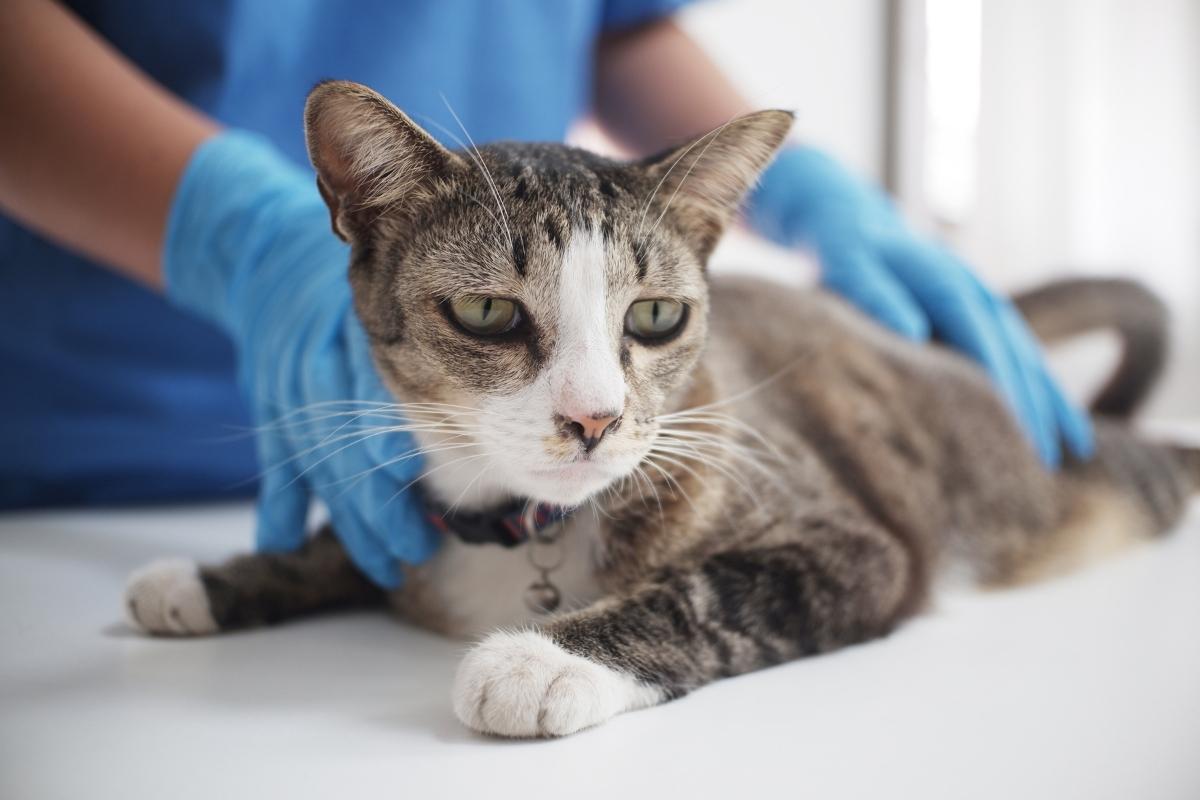




When pets cannot tell us exactly how they feel, veterinary diagnostic testing becomes one of the most important tools for protecting their health. From identifying hidden illnesses to monitoring chronic conditions, diagnostic tests help veterinarians make accurate decisions and create effective treatment plans. At Lakewood Animal Hospital in Morris, understanding these tests can help pet owners feel more confident and informed during veterinary visits.
Whether your pet is showing unusual symptoms or simply coming in for a routine wellness exam, knowing why certain tests are recommended can help you better support their long-term health and comfort.
Why Diagnostic Testing Matters for Pets
Pets often hide signs of illness until conditions become advanced. Diagnostic testing allows veterinarians to detect problems early, sometimes before symptoms even appear. Early detection can improve treatment outcomes, reduce long-term health complications, and potentially lower treatment costs.
Diagnostic tools also help veterinarians:
- Identify infections and diseases
- Monitor organ function
- Detect internal injuries
- Evaluate chronic conditions
- Guide surgical decisions
- Track recovery progress
Routine testing is especially valuable for senior pets, puppies and kittens, and animals with ongoing medical conditions.
Blood Tests: A Window Into Your Pet’s Health
Blood work is one of the most common and informative diagnostic tools in veterinary medicine. Veterinarians may recommend blood testing during annual wellness visits, before surgery, or when pets show symptoms such as lethargy, vomiting, weight loss, or changes in appetite.
Complete Blood Count (CBC)
A CBC evaluates red blood cells, white blood cells, and platelets. This test can help detect:
- Infections
- Anemia
- Inflammation
- Immune system disorders
- Blood clotting problems
Abnormal white blood cell counts may indicate infection or inflammation, while low red blood cells could suggest anemia or blood loss.
Blood Chemistry Panel
A chemistry panel measures enzymes, electrolytes, proteins, and organ function markers. It helps veterinarians assess the health of organs such as:
- Liver
- Kidneys
- Pancreas
- Heart
This test is particularly important for older pets or animals taking long-term medications.
Heartworm and Tick-Borne Disease Testing
Dogs are commonly tested for heartworm disease and tick-borne illnesses during annual exams. These conditions can progress silently, making early testing essential for timely treatment and prevention.
Urinalysis: More Than Just a Urine Sample
A urinalysis provides valuable information about your pet’s urinary tract and overall health. Veterinarians may recommend this test alongside blood work for a more complete picture.
Urinalysis can help diagnose:
- Urinary tract infections
- Kidney disease
- Diabetes
- Bladder stones
- Dehydration
The test examines urine concentration, pH levels, protein content, glucose, bacteria, and sediment under a microscope.
Changes in urination habits, accidents in the house, or straining to urinate are all signs that warrant veterinary attention.
Fecal Testing for Parasites and Digestive Health
Parasites are common in both dogs and cats, especially young pets. Even indoor pets can sometimes become infected through contaminated soil, fleas, or exposure to other animals.
Fecal testing helps veterinarians detect:
- Roundworms
- Hookworms
- Whipworms
- Giardia
- Coccidia
Some intestinal parasites can also spread to humans, making routine screening important for the entire household.
Veterinarians often recommend annual fecal exams, especially for puppies and kittens, because parasites may not always cause visible symptoms right away.
Digital X-Rays (Radiographs)
X-rays allow veterinarians to examine internal structures without surgery. They are commonly used to evaluate bones, joints, lungs, abdomen, and the digestive system.
What X-Rays Can Detect
Digital radiographs can help diagnose:
- Broken bones
- Arthritis
- Tumors
- Foreign object ingestion
- Heart enlargement
- Lung disease
- Bladder stones
Because digital imaging produces high-quality images quickly, veterinarians can often make faster and more accurate diagnoses.
X-rays are especially useful for pets experiencing limping, breathing difficulties, abdominal pain, or unexplained discomfort.
Ultrasound Imaging
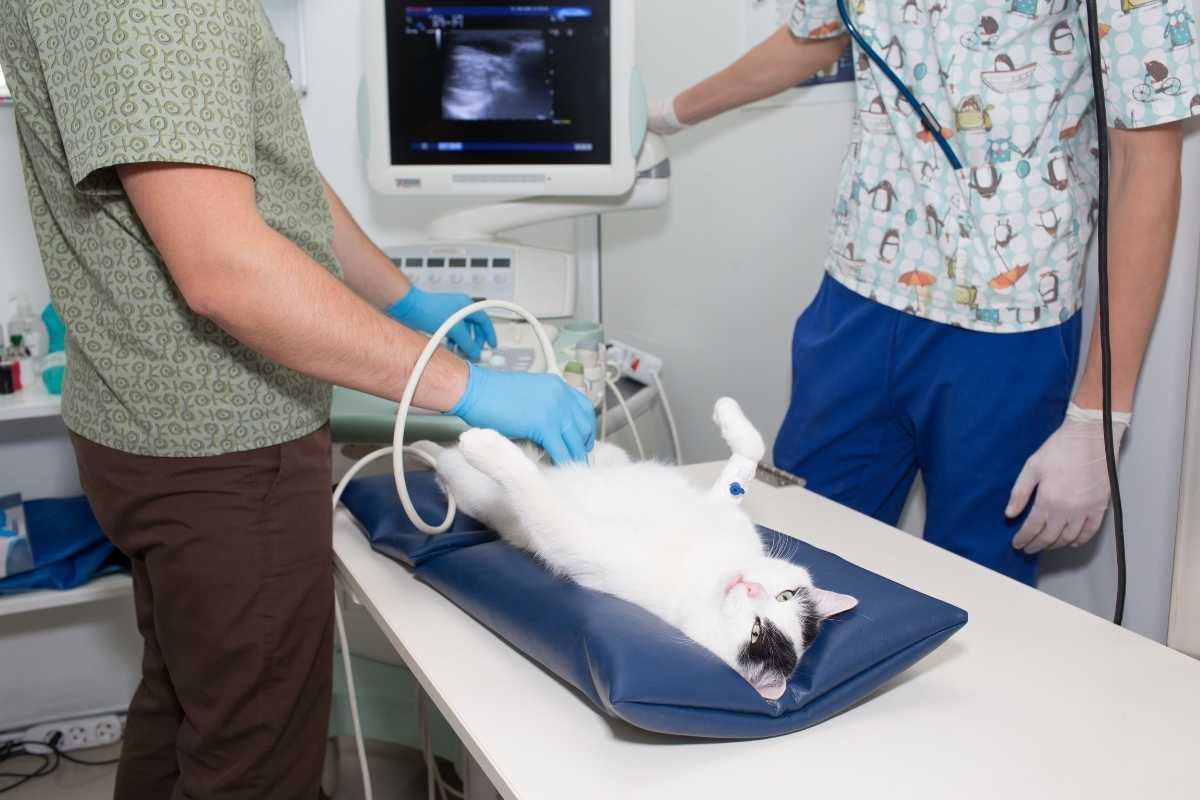
Ultrasound uses sound waves to create real-time images of internal organs and soft tissues. Unlike X-rays, ultrasound is better suited for examining organs such as the liver, kidneys, bladder, spleen, and heart.
Common Reasons for Pet Ultrasounds
Veterinarians may recommend ultrasound to:
- Investigate abdominal abnormalities
- Detect tumors or cysts
- Evaluate pregnancies
- Examine heart conditions
- Assess internal bleeding
Ultrasound imaging is painless and non-invasive, making it a valuable diagnostic option for many pets.
Allergy Testing for Chronic Skin and Ear Problems
If your pet constantly scratches, licks their paws, or develops recurring ear infections, allergies could be the cause. Allergy testing helps identify environmental or food-related triggers affecting your pet’s quality of life.
Common allergy symptoms include:
- Itchy skin
- Hair loss
- Ear infections
- Red or inflamed skin
- Excessive licking
Veterinarians may recommend blood testing, elimination diets, or other allergy evaluation methods depending on your pet’s symptoms and history.
Thyroid Testing in Dogs and Cats
Hormonal imbalances can significantly affect a pet’s health and behavior. Thyroid testing is often recommended for middle-aged and senior pets showing changes in energy, appetite, or weight.
Hypothyroidism in Dogs
Dogs with hypothyroidism may experience:
- Weight gain
- Lethargy
- Hair thinning
- Skin problems
Hyperthyroidism in Cats
Cats with hyperthyroidism often show:
- Increased appetite
- Weight loss
- Hyperactivity
- Vomiting
Thyroid testing helps veterinarians diagnose these conditions early so pets can begin appropriate treatment.
Biopsy and Cytology Testing
When veterinarians discover a lump, growth, or abnormal tissue, they may recommend cytology or biopsy testing.
Cytology
Cytology involves examining cells under a microscope using a fine needle sample. It is commonly used to evaluate:
- Skin lumps
- Ear infections
- Skin infections
Biopsy
A biopsy involves removing a tissue sample for laboratory analysis. This helps determine whether growths are benign or cancerous.
Early testing of suspicious lumps is critical because prompt diagnosis often leads to better treatment outcomes.
Dental Diagnostic Testing
Dental disease is one of the most common health issues in pets, yet it often goes unnoticed until it becomes severe. X-rays allow veterinarians to evaluate areas below the gumline that are invisible during a regular oral exam.
Dental diagnostics can identify:
- Tooth root infections
- Bone loss
- Fractured teeth
- Abscesses
- Periodontal disease
Untreated dental problems can lead to pain, infection, and complications affecting other organs.
Diagnostic Testing for Senior Pets
As pets age, routine diagnostic screening becomes increasingly important. Senior wellness testing helps detect age-related diseases early, even before visible symptoms develop.
Senior pet testing may include:
- Blood work
- Urinalysis
- Blood pressure monitoring
- X-rays
- Thyroid testing
Conditions such as kidney disease, diabetes, arthritis, and heart disease are often easier to manage when caught early.
When Should Pet Owners Be Concerned?
Diagnostic testing is often recommended when pets show symptoms such as:
- Vomiting or diarrhea
- Weight loss
- Increased thirst
- Changes in appetite
- Difficulty walking
- Persistent coughing
- Behavioral changes
- Frequent urination
- Low energy
If you notice any unusual changes in your pet’s behavior or physical condition, scheduling a veterinary exam promptly can make a major difference in their health outcome.
At Lakewood Animal Hospital, the veterinary team uses advanced diagnostic tools to help pets in Morris receive timely and accurate care. If your pet is due for a wellness exam or showing concerning symptoms, now is a great time to book an appointment.
Helping Pet Owners Make Informed Decisions
Understanding veterinary diagnostic tests empowers pet owners to make informed healthcare decisions for their furry companions. While some tests may sound intimidating, they are often simple, minimally invasive, and extremely valuable in identifying health concerns early.
Routine wellness screenings, preventive testing, and prompt diagnostics during illness all contribute to a healthier and happier life for pets. By working closely with your veterinarian and staying proactive about testing recommendations, you can help your pet enjoy many healthy years by your side.
FAQs
1. How often should my pet have diagnostic testing?
Most pets benefit from annual wellness testing, while senior pets or pets with chronic conditions may need testing every six months or more frequently.
2. Are blood tests safe for pets?
Yes. Blood tests are routine, minimally invasive procedures that provide important information about your pet’s health and organ function.
3. Why does my healthy pet need lab work?
Routine testing can detect hidden illnesses before symptoms appear, allowing for earlier treatment and better long-term outcomes.
4. Do pets need anesthesia for X-rays or ultrasounds?
Most pets do not require anesthesia for ultrasounds or standard X-rays, although sedation may sometimes be recommended if a pet is anxious or in pain.
5. What happens if my pet’s test results are abnormal?
Your veterinarian will explain the results, discuss possible causes, and recommend additional testing or treatment if needed.
6. Are diagnostic tests expensive?
Costs vary depending on the test, but preventive diagnostics often help identify issues early and may reduce the need for more costly treatments later.
Related Articles