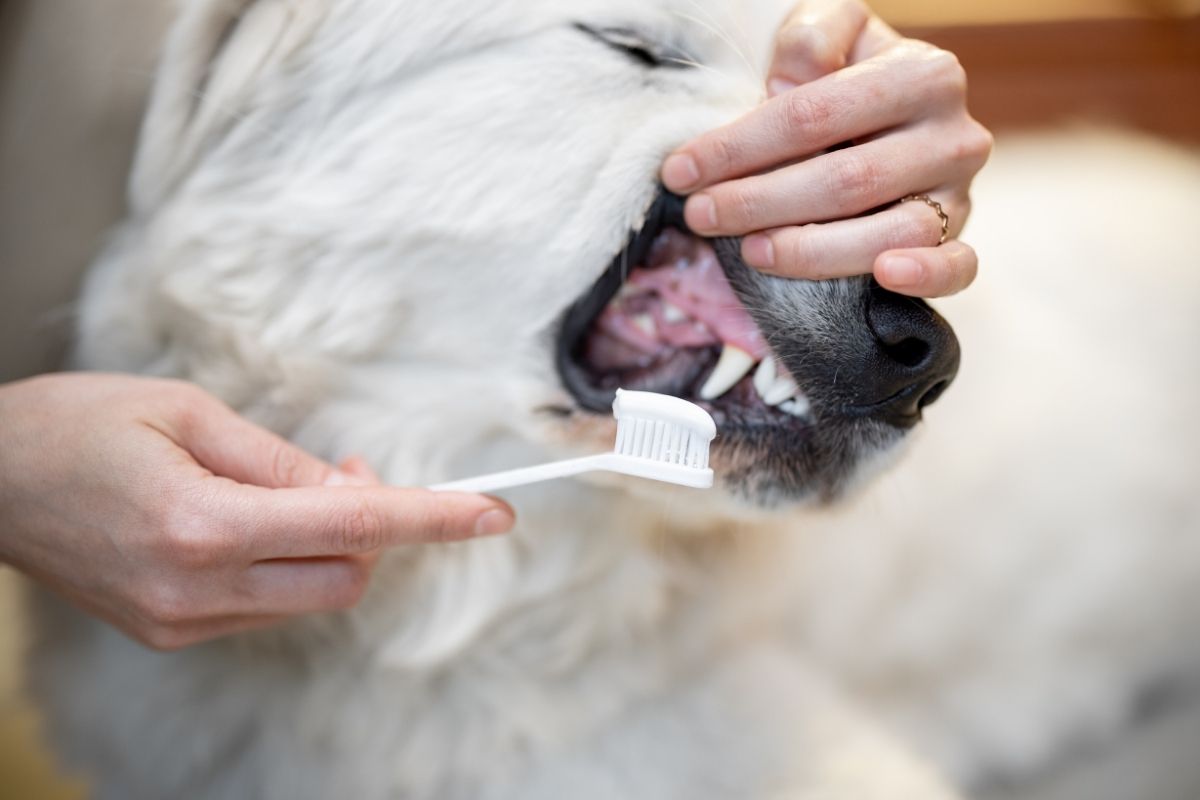





Periodontal disease is one of the most common dental conditions affecting dogs. It develops when plaque and bacteria accumulate around the teeth and gums, eventually causing inflammation and damage to the tissues supporting the teeth. Because dogs may continue eating normally even when their mouths are uncomfortable, early dental disease can be difficult for pet owners to recognize.
Regular examinations can help identify changes before they become more advanced. For pet owners looking for reliable pet dental care, understanding the signs, stages, and treatment options for periodontal disease can make it easier to protect a dog’s oral health.
What Is Periodontal Disease in Dogs?
Periodontal disease is an inflammatory condition affecting the gums and structures that hold the teeth in place. It typically begins when plaque forms on the teeth. If plaque is not removed, it can harden into tartar along and below the gum line.
As bacteria continue to accumulate, the gums may become irritated and inflamed. Over time, the infection can affect deeper tissues and the bone surrounding the teeth. Advanced periodontal disease may result in loose or damaged teeth and significant oral discomfort.
Routine dental examinations and professional cleanings can help prevent, identify, and manage periodontal disease. Dental radiographs are also valuable because more than half of a dog’s tooth is located below the gum line, where problems cannot be seen during a basic visual examination.
Early Signs of Periodontal Disease in Dogs
Recognizing the early signs of dental disease allows pet owners to seek veterinary guidance before the condition progresses. Common signs may include:
- Persistent bad breath
- Red, swollen, or irritated gums
- Yellow or brown tartar on the teeth
- Excessive drooling
- Difficulty chewing
- Dropping food while eating
- Reduced appetite
- Loose or missing teeth
- Teeth chattering
- Irritability when the mouth is touched
Some dogs may also develop sneezing or nasal discharge when dental disease affects structures close to the nasal passages. Weight loss can occur when oral discomfort makes eating difficult.
If you notice changes in your dog’s breath, chewing habits, appetite, or gums, a veterinary examination can help determine whether periodontal disease or another dental problem is present.
The Four Stages of Periodontal Disease
Understanding the stages of periodontal disease can help explain why early dental care matters.
Stage 1: Gingivitis
The earliest stage is gingivitis, which involves inflammation of the gums. The gum line may appear red or swollen, and there may be mild plaque or tartar buildup.
At this point, the supporting structures around the teeth have not experienced significant damage. Professional cleaning and consistent home dental care can help restore healthier gums and slow further progression.
Stage 2: Early Periodontitis
As periodontal disease progresses, bacteria begin affecting the structures beneath the gum line. There may be early loss of the tissues supporting the teeth.
Dental radiographs can help veterinarians identify changes that are not visible from the outside. Professional cleaning can remove plaque and tartar from areas that cannot be adequately reached with routine brushing.
Stage 3: Moderate Periodontitis
Moderate periodontal disease involves more substantial damage to the tissues and bone surrounding the teeth. Dogs may have more noticeable bad breath, gum inflammation, discomfort, or loose teeth.
At this stage, a thorough dental examination and radiographs are especially important for determining which teeth are healthy and which may require additional treatment.
Stage 4: Advanced Periodontitis
Advanced periodontal disease involves severe damage to the structures supporting the teeth. Some teeth may become loose, painful, or severely diseased.
Treatment may include professional cleaning and oral surgery or tooth extraction when a tooth cannot be preserved. Addressing diseased teeth can help manage pain, reduce infection, and allow the dog to eat more comfortably.
How Is Periodontal Disease Treated?
Treatment depends on the severity of the disease and the condition of each tooth. A complete dental evaluation may include a physical oral examination, dental radiographs, cleaning, polishing, and dental charting.
Professional dental cleanings are performed under general anesthesia so the veterinary team can thoroughly clean above and below the gum line and evaluate the entire mouth. Dental X-rays can reveal problems involving tooth roots, fractures, abnormal teeth, cysts, or other conditions hidden beneath the gums.
For some pets, dental treatment may be divided into two stages. The first stage can include cleaning, full-mouth X-rays, and a complete oral examination. If severely diseased teeth require extraction or other oral surgery, those procedures may be performed during a second appointment.
A pet dentist or veterinarian can recommend the appropriate approach based on the dog’s individual dental health.
How Can Pet Owners Prevent Periodontal Disease?
Professional dental care is only one part of maintaining a healthy mouth. Home care can help reduce plaque accumulation between professional cleanings.
Brushing your dog’s teeth every day or every other day can help control plaque and oral bacteria. It is best to introduce brushing gradually and use products specifically intended for pets. Your veterinarian can recommend appropriate toothbrushes, pet toothpaste, dental treats, toys, or oral solutions based on your dog’s needs.
Regular dental examinations are also important because some dental problems develop below the gum line and cannot be identified simply by looking at the visible teeth.
When Should Your Dog Have a Dental Examination?
Dogs benefit from regular oral evaluations throughout their lives. Annual or semi-annual dental examinations and cleanings may be recommended depending on the dog’s age, dental health, and individual risk factors.
If you are searching for a veterinary hospital near you in Morris, scheduling a dental evaluation can help determine whether your dog has early gingivitis, developing periodontal disease, or another oral condition. Early assessment can also help establish an appropriate long-term pet dental care routine.
Supporting Your Dog’s Long-Term Dental Health
Healthy teeth and gums are an important part of your dog’s overall comfort and well-being. Recognizing early signs of periodontal disease and maintaining consistent pet dental care can help protect your dog’s mouth and identify problems before they become more advanced.
For pet owners in Morris, Lakewood Animal Hospital provides dental examinations, dental radiography, professional cleanings, and treatment options to support healthier mouths. The veterinary team can also discuss at-home dental care and recommend products and routines suited to your pet.
If you have noticed changes in your dog’s breath, gums, teeth, or chewing habits, schedule an appointment with our animal hospital for a comprehensive dental evaluation.
Frequently Asked Questions
1. What causes periodontal disease in dogs?
Ans: Periodontal disease generally begins when plaque builds up on the teeth. When plaque is not adequately removed, it can harden into tartar and contribute to gum inflammation and deeper infection.
2. Can dogs have periodontal disease without obvious symptoms?
Ans: Yes. Dogs can continue eating and behaving normally while dental disease develops below the gum line. Regular veterinary dental examinations and dental X-rays can help identify problems that are not visible at home.
3. Is bad breath a sign of dental disease?
Ans: Persistent bad breath can be an early indication of plaque, tartar, gingivitis, or periodontal disease. Although occasional odor can occur, ongoing foul-smelling breath should be discussed with a veterinarian.
4. Why are dental X-rays important for dogs?
Ans: Dental X-rays allow veterinarians to evaluate areas below the gum line, including tooth roots and surrounding bone. This is important because a significant portion of a dog’s tooth is hidden beneath the gums.
5. Can periodontal disease be prevented?
Ans: Periodontal disease can often be reduced or delayed with regular professional dental examinations, cleanings, and consistent home care. Daily or every-other-day tooth brushing can help control plaque between professional visits.
6. When should I contact a pet dentist?
Ans: Consider arranging a dental evaluation if your dog has persistent bad breath, visible tartar, red or swollen gums, difficulty chewing, excessive drooling, loose teeth, reduced appetite, or changes in eating behavior.
Related Articles