


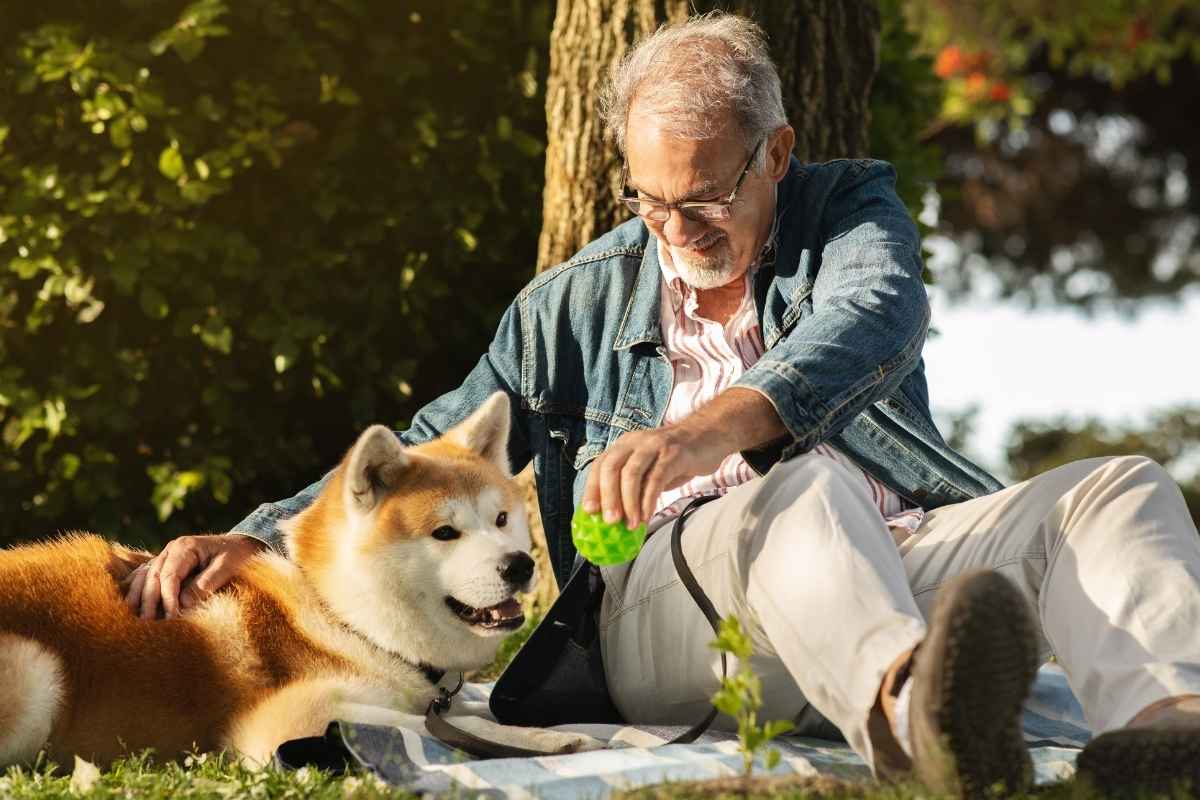
As pets age, their needs begin to change—not just physically, but mentally as well. Senior pets may slow down, but their minds still crave stimulation, engagement, and interaction. Keeping your older dog or cat mentally active is essential for maintaining their overall well-being, preventing cognitive decline, and ensuring they enjoy their golden years to the fullest.
For pet owners in Morris, supporting your aging companion with enriching activities and regular veterinary care from a trusted provider like Lakewood Animal Hospital can make a significant difference in their quality of life.
Why Mental Stimulation Matters for Senior Pets
Just like humans, pets can experience cognitive decline as they age. This condition, often referred to as cognitive dysfunction, can lead to confusion, anxiety, and changes in behavior.
Mental stimulation helps:
- Keep the brain active and engaged
- Reduce boredom and anxiety
- Improve mood and behavior
- Slow down age-related cognitive decline
By incorporating simple daily activities, you can help your senior pet stay alert, responsive, and happy.
1. Interactive Puzzle Toys
Puzzle toys are an excellent way to challenge your pet’s mind while rewarding them with treats. These toys encourage problem-solving skills and keep pets entertained for longer periods.
For senior pets:
- Choose easy-to-moderate difficulty levels
- Use soft treats for easier chewing
- Monitor playtime to avoid frustration
Puzzle toys are especially beneficial for indoor pets who may not get as much physical activity.
2. Gentle Training and Learning New Tricks
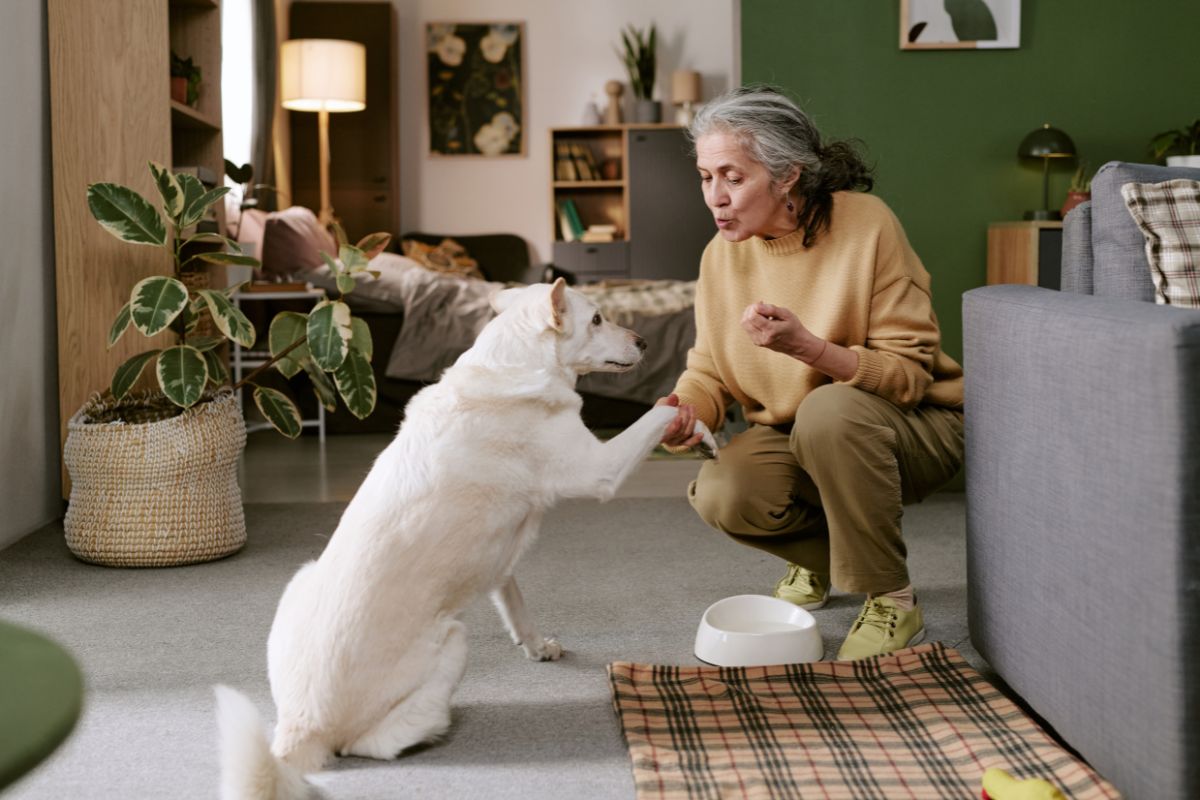
It’s never too late to teach an old dog new tricks! Light training sessions help stimulate your pet’s brain and strengthen your bond.
Try:
- Teaching simple commands
- Reinforcing basic obedience
- Introducing low-impact tricks
Keep sessions short and positive to avoid fatigue. Reward-based training works best for senior pets.
3. Scent Games and Nose Work
Dogs, in particular, rely heavily on their sense of smell. Scent-based activities are both mentally stimulating and naturally enjoyable.
Ideas include:
- Hiding treats around the house
- Using snuffle mats
- Playing “find it” games
These activities are low-impact, making them perfect for pets with mobility issues.
4. Short, Enriching Walks
While senior pets may not have the stamina for long walks, shorter and more frequent outings can provide both mental and physical stimulation.
During walks:
- Allow your pet to explore and sniff
- Choose calm, familiar environments
- Adjust pace to your pet’s comfort level
Walks offer new sights, smells, and sounds that keep your pet engaged with the world around them.
5. Social Interaction and Companionship
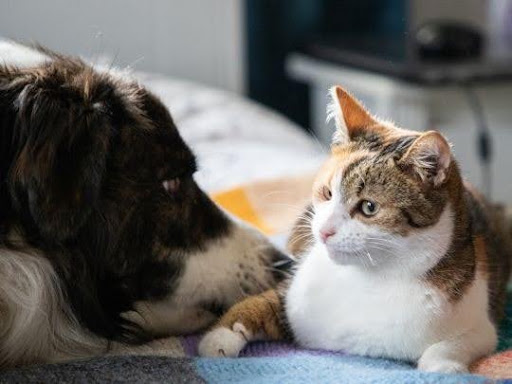
Senior pets thrive on companionship. Spending quality time with your pet can significantly improve their emotional well-being.
You can:
- Schedule playtime with familiar pets
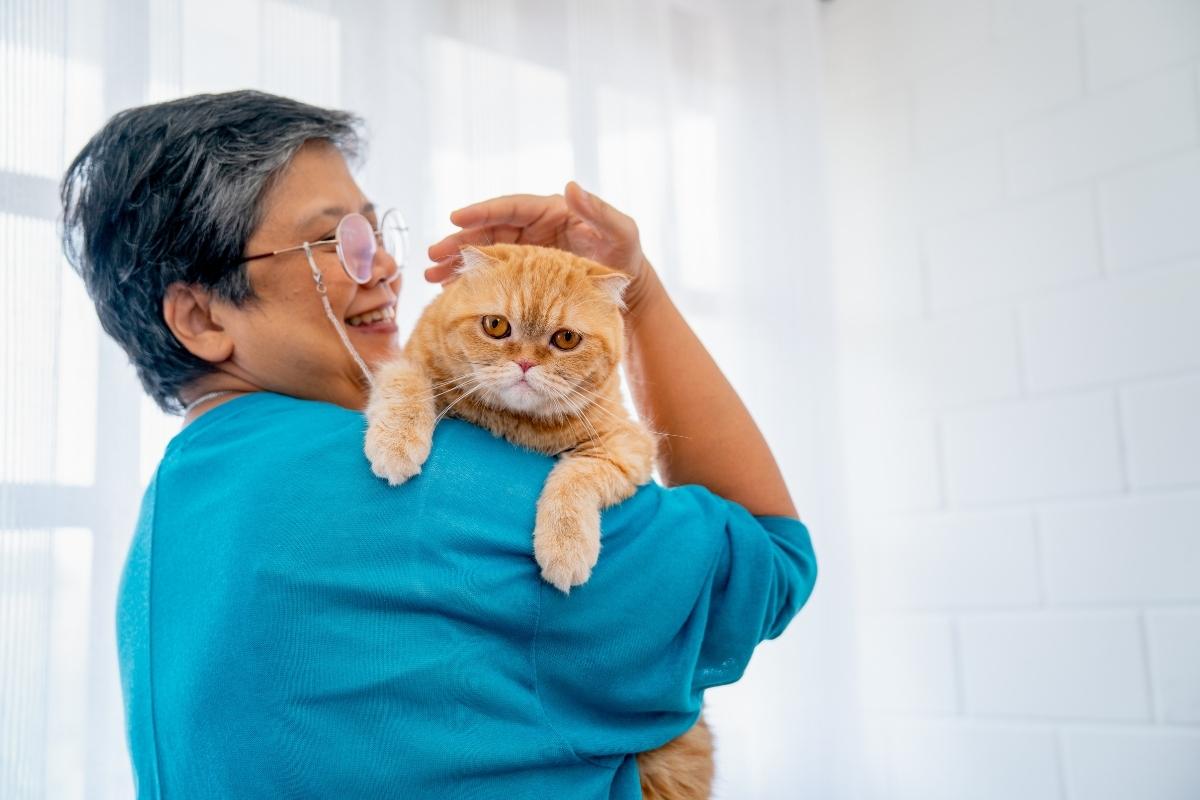
- Provide gentle affection and grooming
- Maintain a consistent daily routine
Even small interactions can boost your pet’s mood and reduce feelings of loneliness.
6. Rotating Toys and Environments
Introducing variety into your pet’s routine can keep things interesting. Rotating toys or slightly changing their environment can spark curiosity.
Consider:
- Swapping toys every few days
- Rearranging safe play areas
- Introducing new textures or bedding
This simple strategy prevents boredom and keeps your pet mentally stimulated.
7. Food-Based Enrichment Activities
Mealtime can be turned into a fun and engaging activity. Instead of serving food in a bowl, try interactive feeding methods.
Options include:
- Treat-dispensing toys
- Slow feeders
- Scatter feeding
These methods encourage your pet to think and engage while eating, adding mental stimulation to their daily routine.
8. Gentle Massage and Sensory Stimulation
Physical touch can be incredibly soothing and stimulating for senior pets. Gentle massages improve circulation and provide sensory engagement.
Benefits include:
- Relaxation and stress relief
- Improved joint comfort
- Strengthened bond with your pet
Always be gentle and observe your pet’s comfort level during these sessions.
9. Regular Health Checkups
Mental health is closely linked to physical health. Regular veterinary visits help ensure your pet is free from pain or underlying conditions that could affect their behavior.
A veterinarian can:
- Assess cognitive function
- Recommend supplements or treatments
- Provide tailored care plans for senior pets
Consistent care ensures your pet remains comfortable and mentally sharp as they age.
10. Creating a Comfortable and Stimulating Environment
A safe and comfortable home environment plays a big role in your pet’s happiness. Senior pets benefit from spaces that are both relaxing and engaging.
Make sure to:
- Provide soft bedding
- Keep essentials easily accessible
- Maintain a calm and predictable environment
Adding small enrichment elements, like window views or interactive toys, can enhance their daily experience.
Supporting Your Senior Pet’s Well-Being
Caring for a senior pet requires patience, attention, and a proactive approach. By combining mental stimulation with proper healthcare, you can significantly improve your pet’s quality of life.
If you notice any changes in your pet’s behavior or activity levels, it’s important to consult a professional. Don’t hesitate to schedule an appointment today to ensure your pet receives the care and attention they deserve.
FAQs
1. How can I tell if my senior pet needs more mental stimulation?
Ans: Signs include boredom, restlessness, excessive sleeping, or behavioral changes such as confusion or anxiety.
2. Are puzzle toys safe for older pets?
Ans: Yes, as long as they are age-appropriate and not too difficult. Always supervise your pet during play.
3. How often should I engage my senior pet in activities?
Ans: Daily engagement is ideal, but activities should be short and tailored to your pet’s energy level.
4. Can mental stimulation help prevent cognitive decline?
Ans: Yes, regular mental engagement can slow cognitive decline and improve your pet’s overall well-being.
5. What activities are best for senior pets with mobility issues?
Ans: Low-impact activities like scent games, puzzle toys, and gentle interaction are ideal.
6. Should I consult a veterinarian about my pet’s behavior changes?
Ans: Absolutely. Behavioral changes can indicate underlying health issues, and a veterinarian can provide proper guidance.