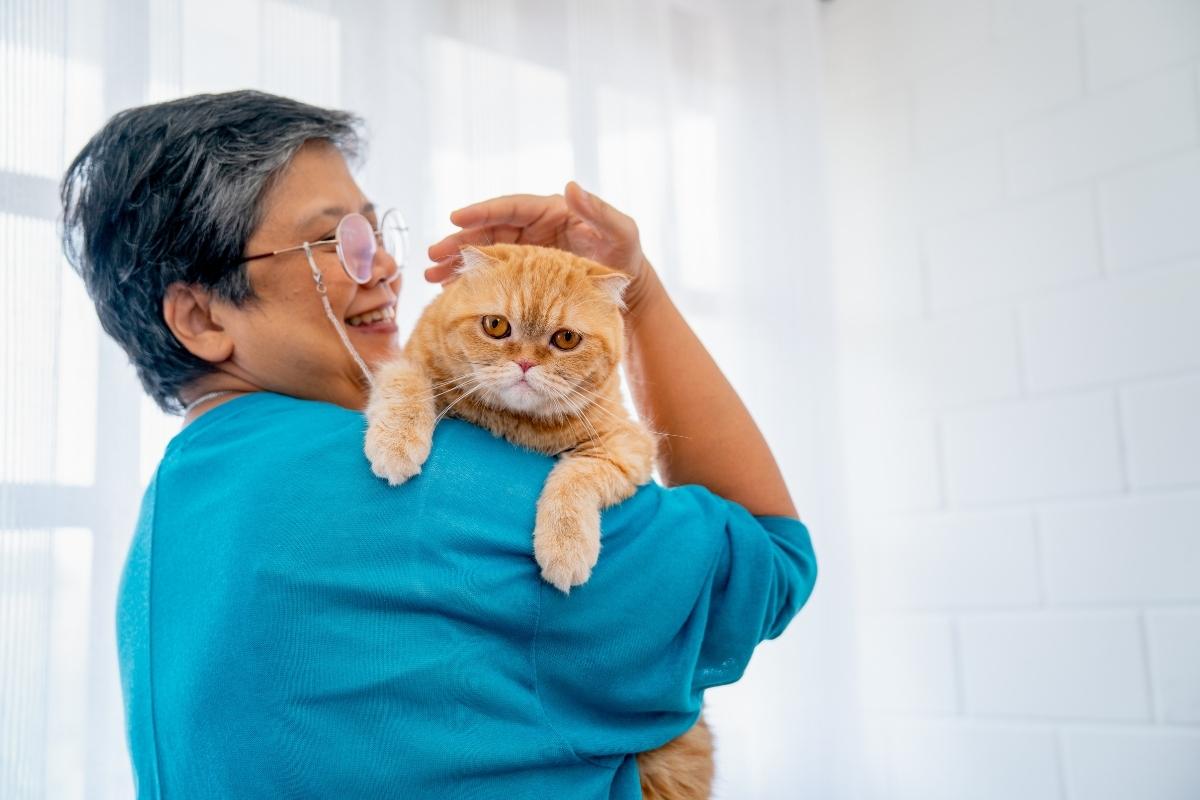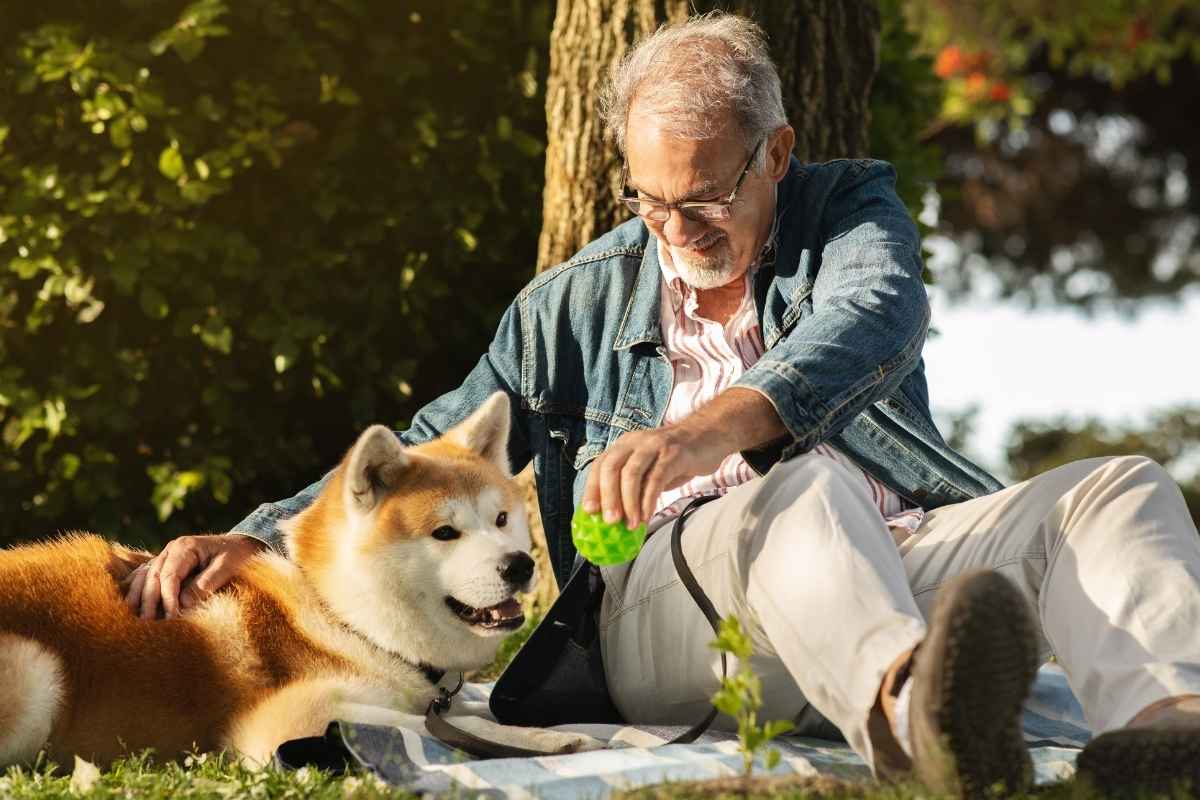




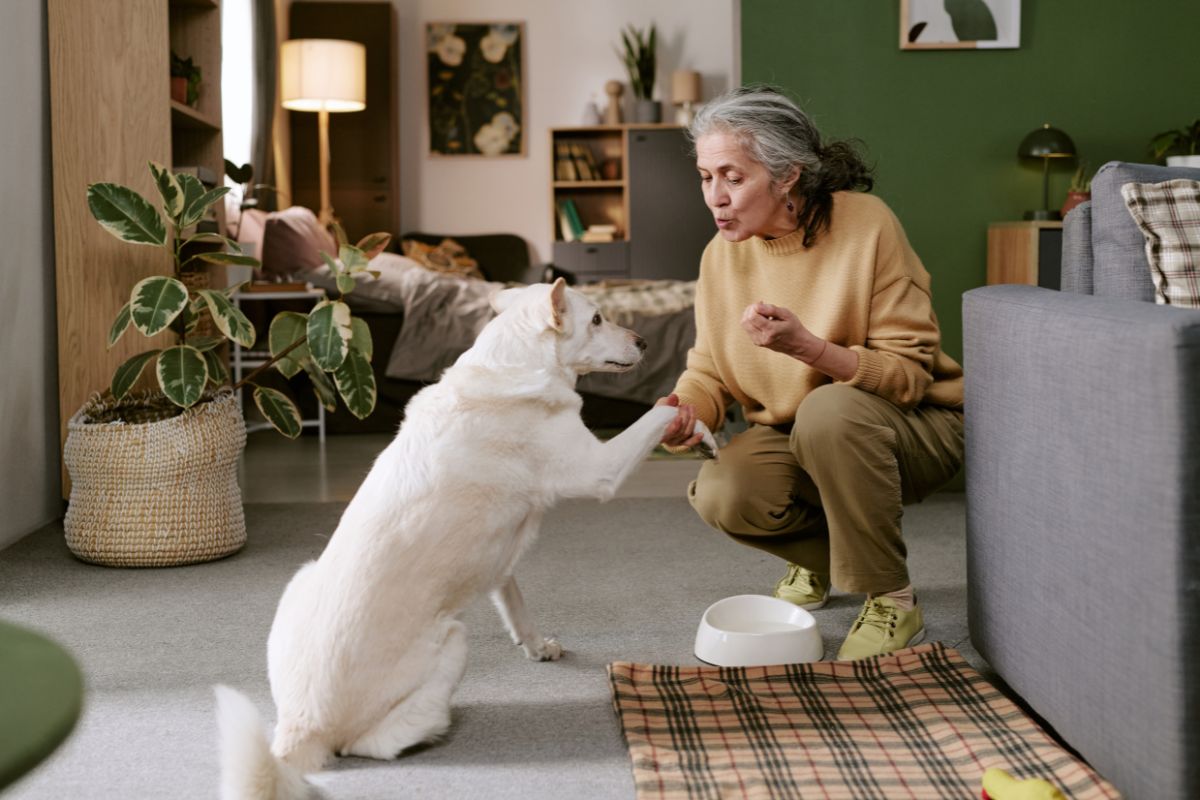
As pets grow older, their needs begin to change in ways many pet owners may not immediately notice. A once energetic dog may start sleeping more often, while a senior cat may become less interested in climbing or playing. Aging is a natural part of life, but with proper care, nutrition, and veterinary support, senior pets can continue living happy, comfortable, and fulfilling lives for many years.
At Lakewood Animal Hospital in Morris, we believe proactive care plays a major role in helping pets age gracefully. Understanding the changes your pet experiences can help you make informed decisions that support their health and overall quality of life.
When Is a Pet Considered a Senior?
Pets age differently depending on their species, breed, and size. In general:
- Small dogs are considered seniors around 10–12 years old
- Large breed dogs may become seniors by 6–8 years old
- Cats are typically considered senior around 10 years old
As pets enter their senior years, their metabolism, immune system, joints, and organs may gradually slow down. While some changes are expected with age, others may signal underlying medical conditions that require veterinary attention.
Prioritize Routine Veterinary Exams
One of the most important ways to support your senior pet’s health is through regular wellness visits. Older pets are more vulnerable to conditions such as arthritis, kidney disease, diabetes, heart disease, thyroid disorders, and dental disease.
Routine examinations allow veterinarians to detect health issues earlier, often before symptoms become severe. Senior wellness visits may include:
- Comprehensive physical exams
- Bloodwork and urinalysis
- Weight monitoring
- Dental evaluations
- Mobility assessments
- Blood pressure checks
Early detection can significantly improve treatment outcomes and help pets maintain a better quality of life.
If your aging pet has not had a wellness exam recently, now is a good time to book an appointment and discuss a preventive care plan tailored to their needs.
Feed a High-Quality Senior Diet
Nutrition becomes increasingly important as pets age. Senior pets often require diets that support healthy weight management, joint health, digestion, and organ function.
Older pets may experience:
- Reduced metabolism
- Muscle loss
- Sensitive digestion
- Dental discomfort
- Reduced appetite
A balanced senior diet typically contains:
- High-quality protein for muscle maintenance
- Controlled calories to prevent obesity
- Omega-3 fatty acids for joint and brain health
- Antioxidants to support the immune system
- Fiber for digestive support
Avoid overfeeding treats or table scraps, as excess weight can worsen arthritis and place additional stress on the heart and joints.
Always consult your veterinarian before changing your pet’s diet, especially if they have existing health conditions.
Maintain a Healthy Weight
Weight management is one of the most overlooked aspects of senior pet care. Even a few extra pounds can negatively impact your pet’s mobility, breathing, heart health, and overall comfort.
Obesity in senior pets is linked to:
- Arthritis progression
- Diabetes
- Heart disease
- Reduced lifespan
- Decreased energy levels
On the other hand, unexpected weight loss can also signal serious illness, including kidney disease, cancer, or thyroid disorders.
Monitoring your pet’s weight regularly and adjusting their nutrition and activity level can help them stay healthier longer.
Keep Your Pet Active
Exercise remains essential for senior pets, although their routines may need adjustment over time. Regular movement helps maintain:
- Joint flexibility
- Muscle strength
- Healthy weight
- Mental stimulation
- Cardiovascular health
Low-impact activities are often ideal for older pets. Depending on your pet’s condition, healthy exercise options may include:
- Short daily walks
- Gentle play sessions
- Swimming
- Interactive toys
- Indoor climbing options for cats
Pay attention to signs of discomfort such as limping, stiffness, heavy panting, or reluctance to move. Overexertion can lead to pain or injury in aging pets.
Watch for Signs of Arthritis
Arthritis is one of the most common conditions affecting senior pets. Unfortunately, many animals hide pain well, which means subtle symptoms can easily go unnoticed.
Common signs of arthritis include:
- Difficulty standing up
- Limping or stiffness
- Hesitation to jump or climb stairs
- Sleeping more often
- Irritability when touched
- Reduced activity
There are many ways to help manage arthritis and improve comfort, including:
- Joint supplements
- Prescription medications
- Weight management
- Physical therapy
- Orthopedic bedding
- Ramps or mobility aids
Never give human pain medications to pets unless specifically instructed by your veterinarian, as many can be toxic.
Don’t Ignore Dental Health
Dental disease affects a large percentage of senior pets and can lead to pain, tooth loss, infections, and systemic health problems.
Signs of dental disease may include:
- Bad breath
- Drooling
- Difficulty chewing
- Pawing at the mouth
- Red or bleeding gums
- Loose teeth
Professional dental cleanings and at-home dental care can significantly improve your pet’s comfort and health. Dental infections may even contribute to heart, liver, and kidney complications if left untreated.
Brushing your pet’s teeth regularly and providing veterinarian-approved dental chews can help reduce plaque buildup.
Support Cognitive Health
Just like people, pets can experience cognitive decline as they age. Senior pets may become confused, anxious, or less responsive to familiar routines.
Signs of cognitive dysfunction can include:
- Wandering aimlessly
- Disrupted sleep patterns
- House-training accidents
- Increased vocalization
- Forgetting familiar commands
- Changes in social behavior
Mental stimulation can help keep your pet’s mind active. Try:
- Puzzle toys
- Training refreshers
- Interactive feeding games
- Gentle social interaction
- Consistent routines
Your veterinarian may also recommend supplements or medications that support brain health in aging pets.
Create a Comfortable Home Environment
Simple adjustments around the home can make daily life easier for senior pets.
Helpful changes may include:
- Soft orthopedic beds
- Non-slip rugs or mats
- Elevated food and water bowls
- Easy access to litter boxes
- Pet ramps or stairs
- Quiet resting areas
Senior pets often become more sensitive to temperature changes, so ensure they stay warm and comfortable during colder months.
Creating a safe, accessible environment can reduce stress and prevent injuries.
Monitor Behavioral Changes
Behavioral changes are sometimes the first indication of illness in older pets. Changes to watch for include:
- Increased thirst or urination
- Appetite changes
- Withdrawal or hiding
- Aggression or anxiety
- Confusion
- Excessive vocalization
- Changes in grooming habits
Even subtle differences can signal underlying health problems. Prompt veterinary evaluation can help identify and treat issues before they become more serious.
The Importance of Preventive Care
Preventive care remains essential throughout your pet’s life, including their senior years. Vaccinations, parasite prevention, and routine screenings continue to protect aging pets from avoidable illnesses.
Senior pets often have weaker immune systems, making preventive healthcare even more important.
Your veterinarian can help customize a care plan based on your pet’s:
- Age
- Breed
- Lifestyle
- Existing medical conditions
- Activity level
A proactive approach can help your companion stay healthier, happier, and more comfortable as they age.
Helping Your Senior Pet Thrive
Growing older does not mean your pet cannot continue enjoying life. With compassionate care, balanced nutrition, regular veterinary visits, and a supportive environment, senior pets can remain active members of the family for years to come.
Paying attention to small changes, maintaining healthy habits, and addressing health concerns early can make a meaningful difference in your pet’s comfort and longevity.
At Lakewood Animal Hospital, our team is dedicated to helping pets in Morris receive the personalized senior care they deserve.
Frequently Asked Questions
1. How often should senior pets visit the veterinarian?
Ans: Most senior pets should have wellness exams every six months. More frequent visits may be recommended if your pet has ongoing medical conditions or mobility concerns.
2. What are the most common health problems in senior pets?
Ans: Senior pets commonly experience arthritis, dental disease, kidney disease, heart disease, diabetes, obesity, and cognitive decline.
3. Should senior pets exercise every day?
Ans: Yes, regular low-impact exercise helps maintain muscle strength, mobility, and overall health. Exercise routines should be adjusted based on your pet’s age and physical condition.
4. Is it normal for older pets to sleep more?
Ans: Senior pets often sleep more as they age, but excessive lethargy or sudden changes in energy levels should be evaluated by a veterinarian.
5. Can senior pets switch to a special diet?
Ans: Many older pets benefit from senior-specific diets designed to support joint health, digestion, and weight management. Always consult your veterinarian before changing foods.
6. How can I make my home safer for a senior pet?
Ans: Providing non-slip flooring, orthopedic bedding, ramps, and easy access to food, water, and litter areas can improve comfort and reduce injury risks for aging pets.