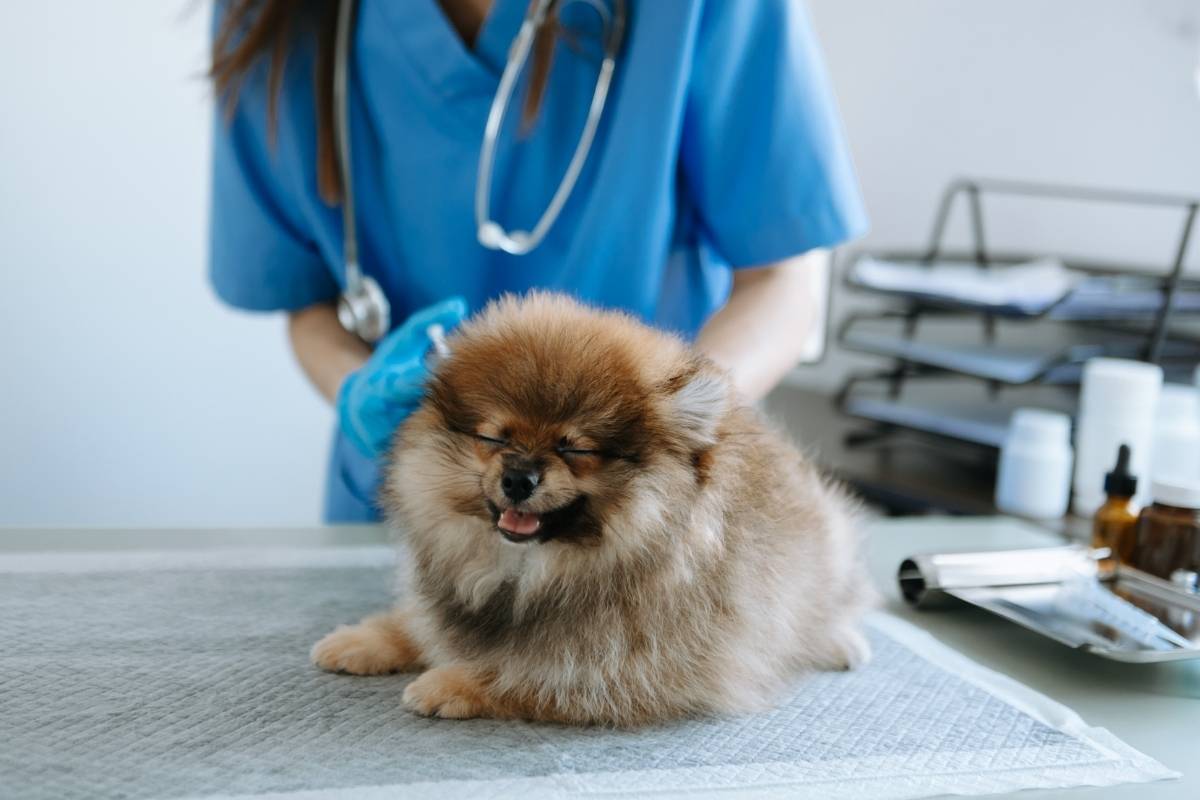





Exotic pets bring color, personality, and fascination into our homes—but they also require specialized care. If you’re wondering how to keep your exotic pet healthy, it starts with the right habitat, nutrition, and preventive veterinary support.
In this complete wellness checklist, we’ll break down everything exotic pet owners need to know, from daily care routines to annual wellness exams, to help your reptile, bird, or small mammal live a long, thriving life.
What Is Considered an Exotic Pet?
When discussing how to keep your exotic pet healthy, it helps to define what “exotic” means. In veterinary medicine, exotic pets typically include:
- Reptiles (bearded dragons, geckos, snakes, turtles)
- Birds (parrots, cockatiels, finches)
- Small mammals (ferrets, hedgehogs, guinea pigs, chinchillas)
- Amphibians and specialty species
Unlike dogs and cats, exotic pets often hide signs of illness. By the time symptoms appear, the condition may already be advanced. That’s why preventive care is critical.
Exotic Pet Wellness Checklist:
If you want to keep your exotic pet healthy, use this structured wellness checklist as your vet guide.
1. Proper Habitat Setup (Foundation of Exotic Pet Health)
Habitat errors are one of the most common reasons exotic pets become sick.
Key Habitat Factors:
Temperature & Humidity
- Reptiles require precise heat gradients.
- Many tropical species need controlled humidity.
- Use digital thermometers and hygrometers.
Lighting
- UVB lighting is essential for reptiles to prevent metabolic bone disease.
- Replace UV bulbs every 6–12 months, even if they still light up.
Space & Enrichment
- Birds require mental stimulation and perches.
- Ferrets need safe roaming time.
- Small mammals require species-appropriate bedding.
Seasonal temperature changes can affect indoor enclosures, especially during winter. Consistent monitoring is vital.
2. Species-Specific Nutrition
Improper diet is another leading cause of illness in exotic animals.
Reptiles
- Balanced mix of live insects and vegetables (species-dependent).
- Calcium and vitamin D3 supplementation.
- Avoid iceberg lettuce or low-nutrient foods.
Birds
- High-quality pellet-based diet.
- Fresh vegetables daily.
- Limited seeds (not a seed-only diet).
Small Mammals
- Fresh hay for guinea pigs and chinchillas.
- Protein-rich diet for ferrets.
- Species-appropriate commercial diets.
3. Routine Veterinary Exams
Many owners don’t realize that exotic pets need regular checkups even if they look healthy.
How Often?
- Annual exams for most species
- Every 6 months for senior or high-risk animals
During an exotic pet wellness exam, your veterinarian may:
- Check weight and body condition
- Evaluate teeth and beak health
- Perform fecal testing for parasites
- Assess skin, scales, or feather condition
- Review the enclosure setup
Preventive exams are one of the most effective ways to keep your exotic pet healthy long-term.
4. Watch for Subtle Signs of Illness
Exotic animals are prey species. They instinctively hide weakness.
Warning Signs to Monitor:
- Decreased appetite
- Weight loss
- Lethargy
- Abnormal droppings
- Swelling or lumps
- Changes in behavior
- Labored breathing
If you notice these symptoms, early intervention makes a major difference. Local pet owners in Morris and nearby Grundy County should not delay evaluation, especially during extreme weather seasons. If you’re unsure about your pet’s health, a wellness visit at Lakewood Animal Hospital can include a diagnostic test tailored to your pet’s species.
5. Hygiene & Sanitation Practices
Clean environments reduce the risk of bacterial, fungal, and parasitic infections.
Best Practices:
- Spot-clean daily
- Deep clean enclosures weekly
- Disinfect food and water bowls daily
- Remove uneaten fresh foods promptly
- Wash hands before and after handling
Improper sanitation can lead to respiratory infections in birds, shell rot in turtles, and issues in small mammals.
6. Mental Stimulation & Environmental Enrichment
Physical health is only part of how to keep your exotic pet healthy; mental health matters too.
Enrichment Ideas:
- Puzzle feeders for parrots
- Rotating climbing structures
- Dig boxes for small mammals
- Safe handling and interaction time
Boredom in exotic pets often leads to:
- Feather plucking
- Aggression
- Self-injury
- Depression-like behaviors
7. Seasonal Care
Local climate matters more than many owners realize.
Winter:
- Indoor humidity drops.
- Supplemental heating may be required.
- Avoid placing enclosures near drafty windows.
Summer:
- Monitor overheating.
- Ensure proper ventilation.
- Avoid direct sunlight on glass tanks.
Illinois temperature swings can impact reptiles and birds quickly, so climate awareness is part of the wellness checklist.
8. Dental, Beak & Nail Maintenance
Many exotic species have continuously growing teeth or beaks.
Examples:
- Guinea pigs require constant hay to prevent overgrown teeth.
- Birds may need professional beak trims.
- Ferrets require routine nail clipping.
Overgrowth can cause pain, difficulty eating, and secondary infections.
9. Parasite Prevention & Screening
Even indoor exotic pets can develop parasites.
Common risks include:
- Intestinal parasites
- Mites in reptiles
- External parasites in birds
Routine fecal exams help detect issues early. Preventive testing is especially important if your pet eats live prey or has outdoor exposure.
10. Emergency Preparedness
Exotic pets can decline rapidly.
Create an emergency plan that includes:
- A travel carrier ready at all times
- Contact information for an exotic-experienced veterinarian
- Backup heating source during power outages
- Knowledge of after-hours emergency options in your area
Preparedness can save your pet’s life.
Why Preventive Care Is Essential for Exotic Pets
To truly keep your exotic pet healthy, proactive care is far more effective than reactive treatment.
Preventive care helps:
- Detect nutritional imbalances early
- Identify parasites before symptoms worsen
- Catch metabolic diseases in early stages
- Extend lifespan
- Reduce long-term veterinary costs
Exotic species often have specialized needs that general pet advice doesn’t address.
Knowing how to keep your exotic pet healthy means focusing on habitat, diet, routine exams, and early detection. Exotic pets require attentive, species-specific care—but with the right checklist, their health becomes manageable and predictable.
If you live in Morris or surrounding communities and want expert guidance for your reptile, bird, or small mammal, schedule a wellness exam today. Proactive care is the best way to protect your exotic companion’s long-term health. Book an appointment and give your exotic pet the care that it deserves.
FAQs
Q1: How often should I take my exotic pet to the vet?
Ans. Most exotic pets should have annual wellness exams, while seniors or high-risk species may need visits every six months.
Q2: What is the most common health issue in exotic pets?
Ans. Improper habitat setup and nutritional deficiencies are the leading causes of illness in reptiles, birds, and small mammals.
Q3: Do exotic pets need vaccinations?
Ans. Most reptiles and small mammals do not require vaccines, but wellness exams and parasite screening are essential.
Q4: How can I tell if my reptile is sick?
Ans. Watch for appetite loss, lethargy, weight loss, abnormal shedding, or changes in stool consistency.
Q5: Is exotic pet care more expensive than dog or cat care?
Ans. Exotic care can require specialized equipment and veterinary expertise, but preventive care helps reduce emergency expenses over time.