




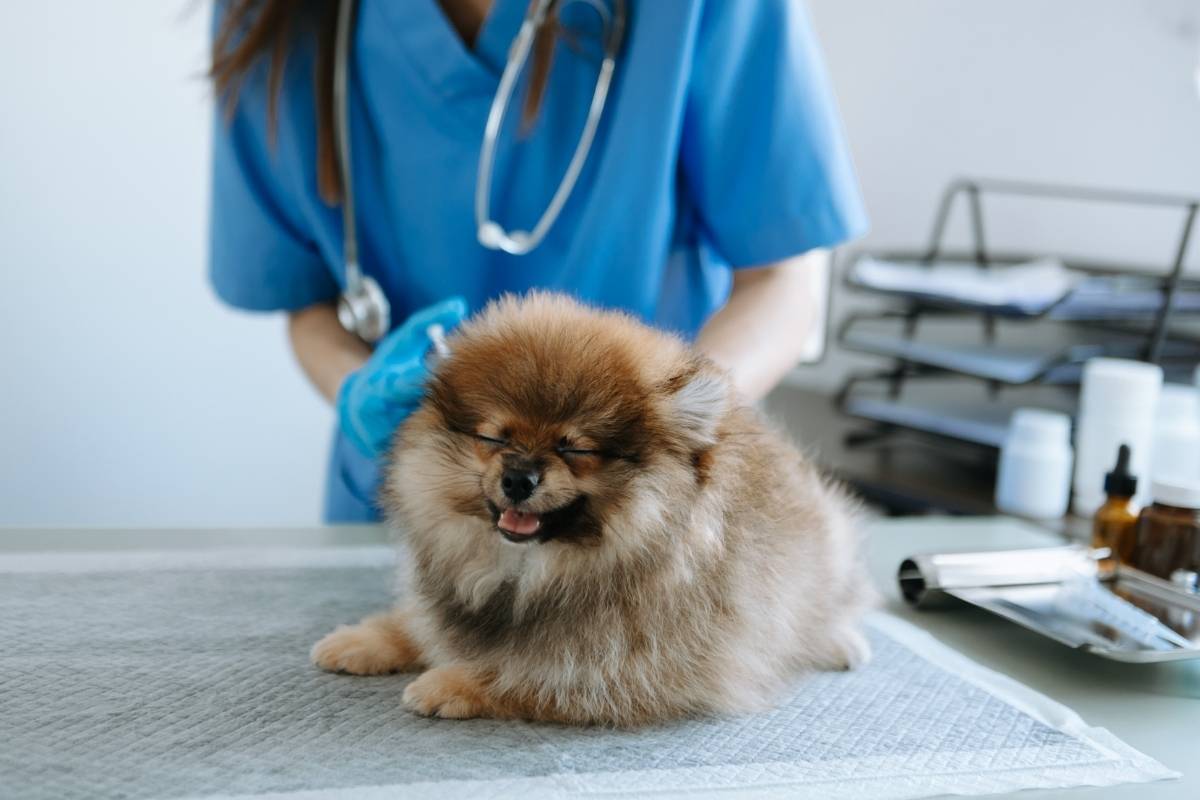
Every pet owner wants their furry companion to live a long, happy, and healthy life. While love, attention, and proper nutrition are essential, preventative care is the foundation of lifelong wellness. By taking proactive steps and working closely with your veterinarian, you can protect your pet from common illnesses and ensure they thrive at every stage of life.
For pet owners in Morris, having access to a trusted veterinary team like Lakewood Animal Hospital makes it easier to stay on top of your pet’s health with consistent and effective care.
Why Preventative Care Matters
Preventative care focuses on identifying and addressing potential health concerns before they become serious problems. Many conditions in pets, such as dental disease, obesity, and parasites, develop gradually and may not show obvious symptoms early on.
Regular veterinary visits help:
- Detect health issues early
- Reduce the risk of chronic diseases
- Lower long-term treatment costs
- Improve your pet’s quality of life
By staying proactive, you can ensure your pet enjoys a healthier and more comfortable life.
Schedule Regular Veterinary Checkups
Routine checkups are one of the most important aspects of preventative care. Even if your pet appears healthy, regular exams allow your veterinarian to monitor their overall condition and detect subtle changes.
During a checkup, your veterinarian may:
- Perform a full physical examination
- Check weight and body condition
- Assess heart, lungs, and joints
- Examine eyes, ears, and teeth
These visits also help build a comprehensive health record, making it easier to track your pet’s well-being over time.
Keep Vaccinations Up to Date
Vaccinations are essential for protecting pets from serious and potentially life-threatening diseases. Your veterinarian will recommend a vaccination schedule based on your pet’s age, lifestyle, and risk factors.
Core vaccines help prevent diseases such as:
- Rabies
- Distemper
- Parvovirus
Staying current with vaccinations ensures your pet is protected and contributes to the overall health of the pet community.
Prioritize Parasite Prevention
Parasites like fleas, ticks, and heartworms can cause significant health issues if left untreated. Preventative treatments are far more effective and safer than dealing with an active infestation.
Your veterinarian can recommend:
- Monthly flea and tick preventatives
- Heartworm prevention medications
- Routine parasite screenings
These measures are especially important for pets that spend time outdoors or interact with other animals.
Maintain a Healthy Diet and Weight
Proper nutrition is a key component of preventative care. Feeding your pet a balanced diet tailored to their age, breed, and activity level helps maintain optimal health.
Obesity is one of the most common health issues in pets and can lead to:
- Joint problems
- Diabetes
- Heart disease
Regular vet visits provide an opportunity to evaluate your pet’s diet and make necessary adjustments to keep them at a healthy weight.
Don’t Overlook Dental Health
Dental care is often underestimated but plays a crucial role in your pet’s overall well-being. Poor oral hygiene can lead to gum disease, tooth loss, and infections that may affect internal organs.
Preventative dental care includes:
- Routine dental exams
- Professional cleanings
- At-home brushing and dental treats
Healthy teeth and gums contribute to better overall health and improved quality of life for your pet.
Monitor Behavior and Lifestyle Changes
Changes in behavior can often signal underlying health issues. Whether your pet becomes less active, loses interest in food, or shows signs of anxiety, these changes should not be ignored.
Your veterinarian can help determine whether the cause is medical or behavioral and recommend appropriate solutions. Early intervention can prevent minor issues from becoming serious concerns.
Exercise and Mental Stimulation
Physical activity and mental enrichment are essential for your pet’s overall health. Regular exercise helps maintain a healthy weight, improves cardiovascular health, and reduces behavioral problems.
Activities may include:
- Daily walks
- Interactive toys
- Training sessions
- Socialization with other pets
Keeping your pet physically and mentally engaged contributes to their happiness and well-being.
Grooming and Skin Care
Routine grooming is another important aspect of preventative care. Regular brushing, bathing, and nail trimming help maintain your pet’s hygiene and allow you to spot potential issues early.
Watch for:
- Skin irritations
- Lumps or bumps
- Excessive shedding
Early detection of these issues can lead to prompt treatment and better outcomes.
Build a Preventative Care Routine
Consistency is key when it comes to protecting your pet’s health. Establishing a routine that includes regular vet visits, proper nutrition, and ongoing care ensures your pet receives the attention they need.
Preventative care is not just about avoiding illness it’s about creating a strong foundation for a happy and active life.
If it’s time for your pet’s next checkup, schedule an appointment today and take a proactive step toward their long-term health.
FAQs
1. How often should I take my pet to the veterinarian?
Ans: Most pets should visit the veterinarian at least once a year. Puppies, kittens, and senior pets may require more frequent visits.
2. What is included in preventative care for pets?
Ans: Preventative care includes routine checkups, vaccinations, parasite prevention, dental care, and nutritional guidance.
3. Why is parasite prevention important?
Ans: Parasites can cause serious health problems and spread diseases. Preventative treatments protect your pet from infestations and related complications.
4. How can I tell if my pet is overweight?
Ans: Signs include difficulty moving, lack of a visible waistline, and reduced activity levels. Your veterinarian can assess your pet’s weight accurately.
5. Is dental care really necessary for pets?
Ans: Yes, dental health is essential. Poor oral hygiene can lead to infections and impact overall health.
6. What are early signs of health problems in pets?
Ans: Changes in appetite, behavior, energy levels, or physical appearance may indicate underlying issues and should be evaluated by a veterinarian.