


Heart disease in cats is more common than many pet owners realize. Because cats are experts at hiding discomfort, early symptoms can be subtle and difficult to recognize. Without timely medical attention, heart conditions may progress silently and eventually lead to serious complications that affect your cat’s quality of life. Fortunately, with advanced veterinary medicine and early intervention, many cats with heart disease can continue living comfortable and happy lives.
At Lakewood Animal Hospital in Morris, our veterinary team is committed to providing compassionate care and advanced diagnostic services for cats experiencing heart-related concerns. Through comprehensive evaluations and modern testing, we help identify heart disease early and create personalized treatment plans tailored to each pet’s needs.
Understanding Heart Disease in Cats
Heart disease refers to conditions that affect the structure or function of the heart. In cats, the most common form is hypertrophic cardiomyopathy (HCM), a condition that causes the heart muscle to become abnormally thick. Other forms include dilated cardiomyopathy, restrictive cardiomyopathy, and congenital heart defects.
Heart disease can reduce the heart’s ability to pump blood efficiently, leading to poor circulation and fluid buildup in the lungs or chest cavity. Some cats may show no symptoms initially, while others may experience rapid health changes.
Common Signs of Heart Disease in Cats
Recognizing the warning signs early can make a significant difference in your cat’s treatment outcome. Symptoms may vary depending on the severity and type of heart disease.
Some common signs include:
- Difficulty breathing or rapid breathing
- Lethargy or decreased activity
- Loss of appetite
- Weight loss
- Coughing or wheezing
- Weakness or collapse
- Sudden paralysis in the hind legs due to blood clots
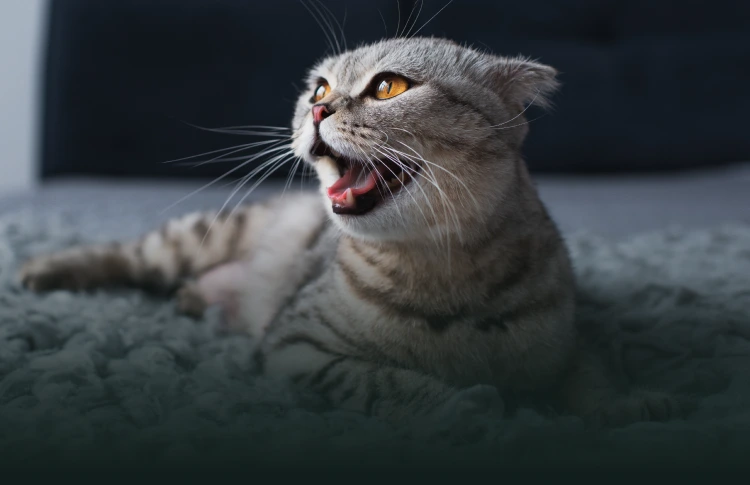
- Open-mouth breathing
If you notice any of these symptoms, it is important to seek veterinary care immediately. Early diagnosis through professional pet diagnostic care Morris services can help prevent complications and improve your cat’s long-term prognosis.
How Veterinarians Diagnose Heart Disease in Cats
Diagnosing heart disease requires a combination of physical examinations, imaging, and laboratory testing. Since symptoms can resemble other illnesses, accurate diagnostics are essential for determining the exact cause.
Physical Examination
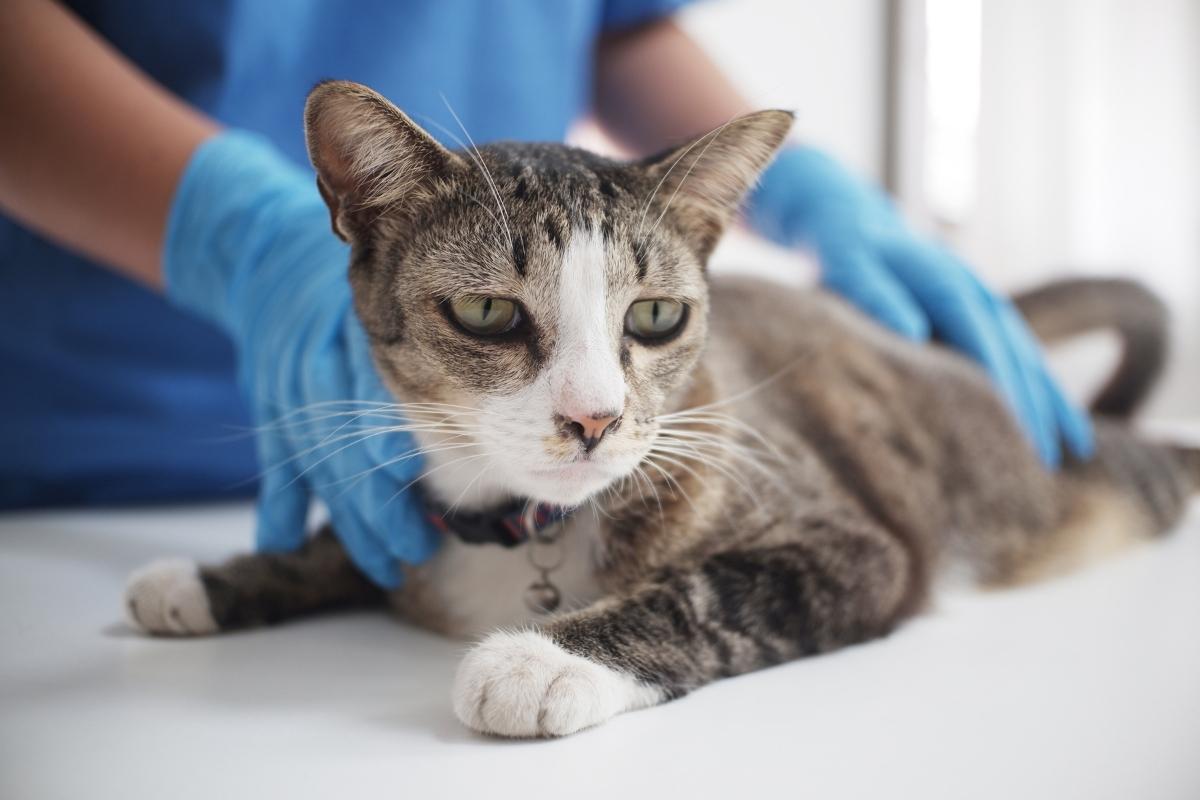
Your veterinarian will begin with a complete physical exam. During the examination, they may listen for:
- Heart murmurs
- Abnormal heart rhythms
- Rapid heart rate
- Fluid sounds in the lungs
Although a heart murmur does not always indicate heart disease, it often signals the need for further evaluation.
Chest X-Rays
Chest radiographs allow veterinarians to assess the size and shape of the heart while checking for fluid buildup in the lungs or chest cavity. X-rays help determine whether heart enlargement or congestive heart failure is present.
Echocardiogram (Heart Ultrasound)
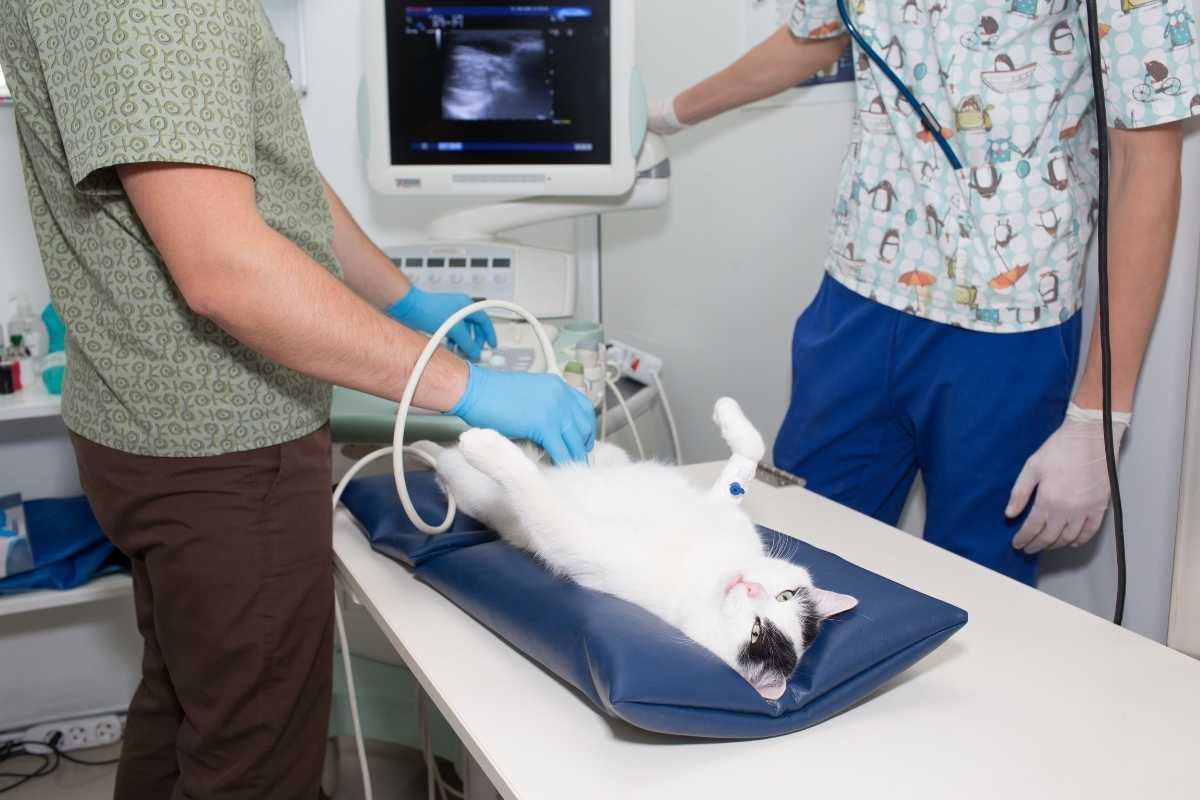
An echocardiogram is one of the most valuable tools used in veterinary diagnostic Morris services. This ultrasound examination provides detailed images of the heart’s structure and function in real time.
An echocardiogram can help veterinarians evaluate:
- Heart wall thickness
- Blood flow through the heart
- Valve function
- Presence of clots or fluid accumulation
This test is often essential for confirming the specific type of heart disease.
Electrocardiogram (ECG)
An ECG measures the electrical activity of the heart. It helps identify abnormal heart rhythms that may accompany heart disease.
Blood Pressure Testing
High blood pressure can contribute to or worsen heart conditions in cats. Monitoring blood pressure is an important part of cardiac evaluation.
Blood Tests
Bloodwork helps assess overall health and identify underlying conditions such as thyroid disease or kidney disease, which can impact heart function. Specialized cardiac biomarkers may also assist in diagnosing heart disease.
Treatment Options for Heart Disease in Cats
Treatment depends on the type and severity of the condition. While many forms of feline heart disease cannot be cured completely, they can often be managed successfully with ongoing care and medication.
Medications
Veterinarians may prescribe medications to improve heart function and reduce symptoms. Common medications include:
- Diuretics to reduce fluid buildup
- Beta blockers to regulate heart rate
- ACE inhibitors to improve circulation
- Blood thinners to reduce clot risk
- Calcium channel blockers for certain heart conditions
Your veterinarian will customize treatment based on your cat’s specific diagnosis.
Oxygen Therapy and Emergency Care
Cats experiencing severe breathing difficulties may require hospitalization and oxygen therapy. Emergency stabilization is critical in cases of congestive heart failure.
Nutritional Support
A balanced diet can support heart health and overall wellness. Some cats may benefit from low-sodium diets or nutritional supplements recommended by their veterinarian.
Monitoring and Follow-Up Care
Heart disease requires ongoing monitoring to track progression and adjust treatment as needed. Routine exams, imaging, and laboratory testing are important for managing the condition effectively.
Why Early Diagnosis Matters
Many cats hide signs of illness until their condition becomes advanced. Routine wellness exams and diagnostic screenings play a crucial role in detecting heart disease before symptoms worsen.
Early diagnosis can:
- Improve treatment success
- Reduce the risk of complications
- Enhance quality of life
- Help cats live longer, more comfortable lives
Pet owners should never ignore subtle changes in behavior or breathing patterns. Prompt veterinary attention can make a major difference in outcomes.
Preventing Complications From Feline Heart Disease
Although some heart conditions are genetic and cannot be prevented entirely, regular veterinary care can help minimize complications.
Helpful preventive steps include:
- Scheduling routine wellness exams
- Monitoring weight and activity levels
- Providing a balanced diet
- Following medication instructions carefully
- Keeping follow-up appointments
- Seeking immediate care for breathing difficulties
Cats diagnosed with heart disease benefit greatly from consistent monitoring and professional veterinary support.
Why Pet Owners Should Choose Us for Their Pets
Choosing the right veterinary team is essential when managing complex conditions like heart disease. At Lakewood Animal Hospital, we are dedicated to delivering compassionate, personalized care for every patient.
Pet owners in Morris trust our team because we offer:
- Advanced diagnostic technology
- Experienced veterinary professionals
- Comprehensive wellness and medical services
- Personalized treatment plans
- Compassionate support for pets and families
- Commitment to patient comfort and long-term health
Our focus on high-quality pet diagnostic care Morris services allows us to identify health concerns accurately and provide effective treatment options tailored to your cat’s needs.
If your cat is showing signs of heart disease or needs a thorough health evaluation, we encourage you to book an appointment with our caring veterinary team today.
Supporting Your Cat’s Heart Health at Home
Living with a cat diagnosed with heart disease can feel overwhelming at first, but many cats respond well to treatment and continue enjoying daily activities. Pet owners play an important role in managing their cat’s condition at home.
You can support your cat by:
- Administering medications consistently
- Reducing stress in the home environment
- Monitoring appetite and breathing patterns
- Keeping veterinary follow-up appointments
- Reporting any sudden changes immediately
Close communication with your veterinarian helps ensure your cat receives the best possible care throughout every stage of treatment.
Frequently Asked Questions
1. What causes heart disease in cats?
Ans: Heart disease in cats may result from genetic factors, age-related changes, high blood pressure, thyroid disease, or congenital defects. Hypertrophic cardiomyopathy is the most common type.
2. Can heart disease in cats be cured?
Ans: Most feline heart diseases cannot be cured completely, but many can be managed successfully with medications, lifestyle adjustments, and regular veterinary monitoring.
3. How do veterinarians detect heart disease in cats?
Ans: Veterinarians use physical exams, chest X-rays, echocardiograms, ECGs, blood pressure monitoring, and blood tests to diagnose heart disease accurately.
4. What are the early signs of heart disease in cats?
Ans: Early symptoms may include lethargy, rapid breathing, decreased appetite, weakness, or reduced activity levels. Some cats may show no obvious symptoms initially.
5. Is heart disease painful for cats?
Ans: Heart disease itself may not always cause pain, but complications such as breathing difficulties or blood clots can be extremely serious and require immediate medical care.
6. How often should cats with heart disease see a veterinarian?
Ans: The frequency depends on the severity of the condition. Many cats require routine monitoring every few months to evaluate treatment effectiveness and disease progression.
Related Articles