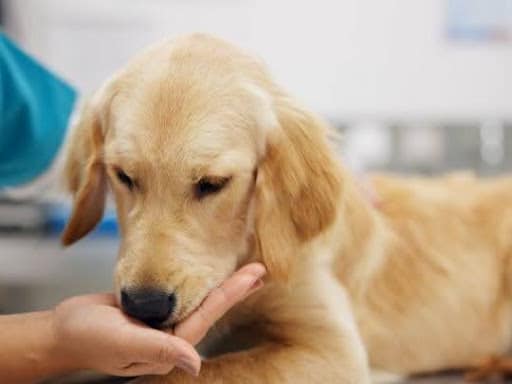





Pets rely on their owners to recognize when something is out of the ordinary. While regular wellness visits are an important part of keeping pets healthy, there are times when they need prompt medical attention for illnesses or injuries that simply should not wait. Understanding the difference between routine check-ups and urgent veterinary visits can help you make informed decisions and protect your pet’s health.
If you’re searching for urgent vet care Morris or reliable urgent pet care, knowing when to seek timely treatment versus scheduling a routine appointment can make all the difference. This guide explains how each type of veterinary visit serves a unique purpose and what every pet owner should know.
Understanding Routine Veterinary Check-ups
Routine veterinary check-ups focus on monitoring your pet’s overall health and identifying changes before they become more serious. These visits allow your veterinarian to evaluate your pet’s physical condition, discuss nutrition, monitor weight, assess mobility, and address any concerns you may have about behavior or lifestyle.
During a routine examination, your veterinarian may:
- Perform a comprehensive physical exam
- Monitor your pet’s weight and body condition
- Evaluate skin, ears, eyes, and coat health
- Listen to the heart and lungs
- Discuss nutrition and exercise
- Recommend diagnostic screenings based on age and health history
Routine visits help establish a baseline for your pet’s health, making it easier to recognize future changes that may require prompt attention.
What Is Urgent Pet Care?
Urgent pet care is designed for illnesses or injuries that need same-day veterinary attention but do not necessarily require advanced specialty treatment. These situations often develop unexpectedly and should be evaluated before they worsen.
Unlike routine appointments that are planned in advance, urgent care focuses on addressing sudden health concerns that cannot safely wait several days.
Common situations that may require urgent pet care include:
- Persistent vomiting
- Ongoing diarrhea
- Limping or difficulty walking
- Cuts or wounds
- Ear infections causing discomfort
- Eye irritation or squinting
- Allergic reactions with facial swelling
- Persistent coughing
- Loss of appetite lasting more than a day
- Sudden lethargy
- Skin infections or hot spots
Prompt evaluation often allows treatment to begin earlier, helping pets recover more comfortably.
Routine Check-ups vs. Urgent Care: What’s the Difference?
Although both services are important, they serve different purposes.
Routine Check-ups
Routine appointments are preventive in nature. They focus on maintaining long-term health, monitoring existing conditions, and discussing lifestyle recommendations.
These visits are typically scheduled ahead of time because your pet is generally feeling well.
Urgent Care
Urgent veterinary visits address new illnesses or injuries that appear suddenly and require prompt medical attention.
Rather than waiting several days for the next available wellness appointment, your veterinarian evaluates the problem as soon as possible to determine the appropriate treatment.
Knowing which type of visit your pet needs helps ensure they receive the right level of care at the right time.
Signs Your Pet May Need Urgent Veterinary Attention
Pets often hide discomfort, making it important to recognize subtle changes in behavior.
Watch for signs such as:
Repeated Vomiting or Diarrhea
Occasional digestive upset may resolve quickly, but repeated episodes can lead to dehydration and indicate an underlying illness.
Difficulty Walking
A sudden limp, reluctance to climb stairs, or trouble standing could indicate an injury or painful condition that deserves prompt evaluation.
Changes in Appetite
If your normally enthusiastic eater refuses meals for an extended period, it may signal a medical issue requiring veterinary assessment.
Eye Problems
Redness, swelling, excessive tearing, squinting, or discharge can worsen quickly without treatment.
Persistent Coughing
Frequent coughing or difficulty breathing comfortably should never be ignored.
Sudden Behavior Changes
Pets experiencing pain or illness may become withdrawn, unusually quiet, restless, or irritable.
Skin Problems
Large hot spots, rapidly developing rashes, or infected wounds often require medical treatment before they become more severe.
If you notice these signs, seeking urgent vet care Morris promptly can help prevent further complications.
When a Routine Appointment Is Appropriate
Not every health concern requires an urgent visit.
Routine appointments are often appropriate for:
- Annual wellness examinations
- Weight management discussions
- Nutritional guidance
- Mild behavioral concerns
- Nail, skin, or coat maintenance discussions
- Follow-up evaluations for stable conditions
- Long-term health monitoring
These visits allow your veterinarian to focus on preventive care and ongoing wellness planning.
Why Prompt Care Matters
Many illnesses and injuries become more difficult to manage if left untreated.
Receiving timely veterinary care offers several benefits:
Earlier Diagnosis
Prompt examinations allow veterinarians to identify the cause of symptoms before conditions progress.
Faster Relief
Early treatment often reduces discomfort and helps pets feel better sooner.
Better Recovery
Addressing problems early may shorten recovery time and improve overall outcomes.
Reduced Risk of Complications
Minor issues can sometimes become much more serious if ignored. Prompt care helps reduce that risk.
How Veterinarians Determine the Right Treatment
Every pet is unique, which is why veterinarians begin with a thorough evaluation rather than making assumptions based solely on symptoms.
Depending on your pet’s condition, the veterinarian may recommend:
- Physical examination
- Laboratory testing
- Diagnostic imaging
- Pain management
- Wound treatment
- Fluid therapy
- Medication
- Follow-up monitoring
The goal is always to identify the underlying cause and create the most appropriate treatment plan.
Preparing for an Urgent Veterinary Visit
When bringing your pet in for an urgent evaluation, a little preparation can help the veterinary team provide efficient care.
Try to gather information such as:
- When symptoms first appeared
- Changes in appetite or water intake
- Recent medications
- Exposure to unfamiliar foods or objects
- Previous medical conditions
- Photos or videos of unusual symptoms if they are intermittent
This information helps your veterinarian better understand your pet’s condition.
Preventive Care Still Plays an Important Role
Although urgent care addresses unexpected illnesses and injuries, routine wellness visits remain an essential part of lifelong health.
Regular examinations help identify gradual changes that owners may not notice at home. They also provide opportunities to discuss nutrition, weight management, dental health, aging concerns, and lifestyle adjustments that support your pet’s well-being.
Routine care and urgent care are not substitutes for one another, they work together to provide comprehensive veterinary care throughout your pet’s life.
Choosing Trusted Urgent Vet Care in Morris
When your pet suddenly becomes ill or develops an injury, knowing where to turn provides valuable peace of mind.
Access to experienced urgent vet care Morris means your pet can receive timely evaluation, appropriate diagnostics, and individualized treatment without unnecessary delays. Whether your pet develops digestive problems, limps after outdoor activity, experiences an eye problem, or shows sudden changes in behavior, prompt veterinary attention can make a meaningful difference.
If your pet needs prompt medical attention or you’re due for a wellness visit, schedule for an appointment today. For assistance, call (815) 942-1199. At the end of the day, choosing compassionate, experienced care helps ensure your pet receives the attention they deserve. Lakewood Animal Hospital is committed to providing high-quality veterinary services that support pets and their families throughout every stage of life.
Frequently Asked Questions
1. What is the difference between urgent pet care and a routine veterinary check-up?
Ans: Routine check-ups focus on your pet’s overall wellness and preventive care, while urgent pet care is intended for illnesses or injuries that require prompt medical attention but are not part of a scheduled wellness visit.
2. What symptoms indicate my pet may need urgent vet care?
Ans: Persistent vomiting, diarrhea, limping, eye irritation, wounds, loss of appetite, coughing, sudden lethargy, or noticeable behavior changes are all signs that your pet should be evaluated promptly.
3. Can I wait a few days if my pet seems mildly sick?
Ans: Some mild issues improve on their own, but ongoing or worsening symptoms should not be ignored. If you’re unsure, contacting your veterinary team for guidance is the safest choice.
4. What should I bring to an urgent veterinary visit?
Ans: Bring any medications your pet is taking, note when symptoms began, describe recent changes in eating or behavior, and share any relevant medical history.
5. Why are routine check-ups still important if urgent care is available?
Ans: Routine visits help detect developing health concerns early, monitor your pet’s overall condition, and support long-term wellness before unexpected illnesses arise.
6. How can I help my pet stay healthy between veterinary visits?
Ans: Provide a balanced diet, regular exercise, mental enrichment, fresh water, routine grooming, and observe your pet daily for any changes in behavior, appetite, mobility, or appearance.