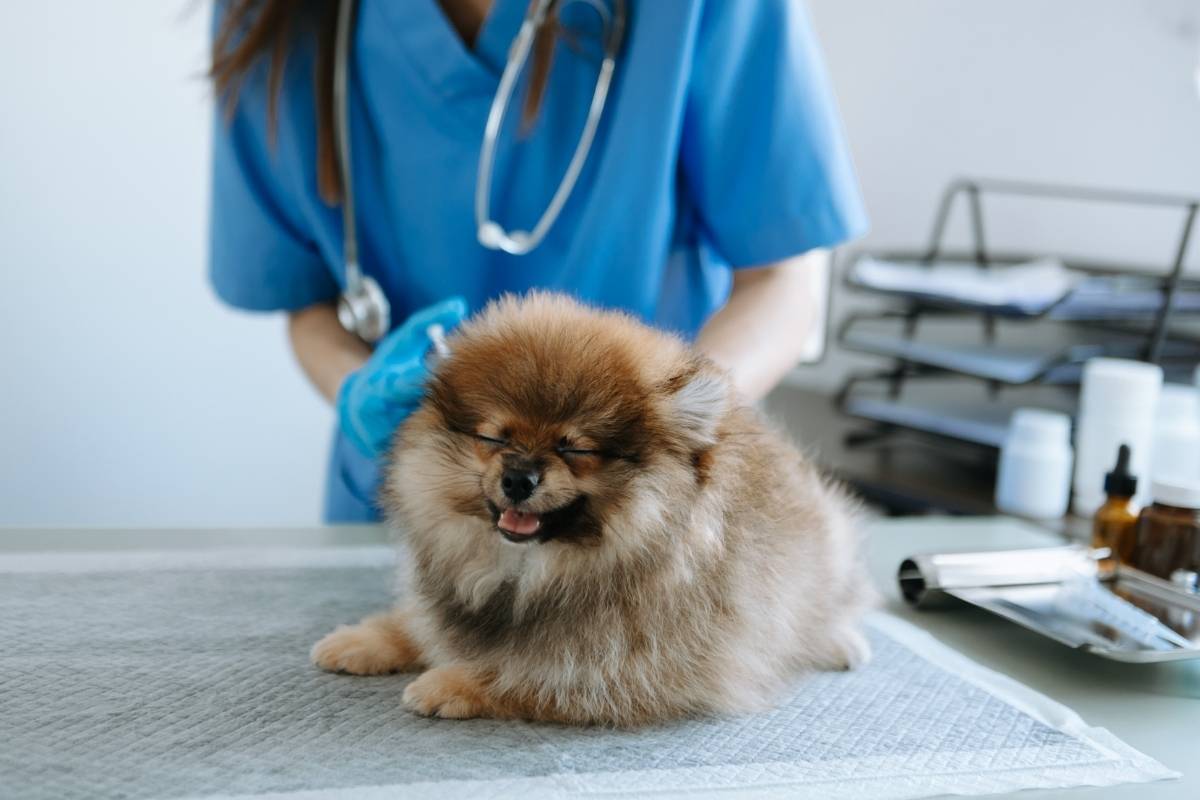





Pets often communicate their health and emotions through their behavior. When a pet suddenly shows changes in appetite, mood, sleep patterns, or activity levels, it may indicate an underlying health concern. While some changes may be temporary, others could be early warning signs of illness that require veterinary attention.
Understanding these behavioral signals can help pet owners in Morris, IL respond quickly and ensure their pets receive the care they need.
Why Sudden Behavior Changes Matter
Most pets thrive on routine and consistency. When that routine suddenly shifts, it may signal discomfort, stress, or illness. In many cases, behavioral changes appear before physical symptoms become noticeable.
For example, a normally energetic dog that suddenly refuses to go for walks or a social cat that starts hiding frequently may be experiencing discomfort or health issues.
Recognizing these changes early can help prevent minor issues from developing into more serious health problems.
Common Sudden Behavior Changes to Watch
1. Loss of Appetite
Skipping a single meal may not always be a cause for concern. However, refusing food for more than 24 hours could indicate dental problems, digestive upset, infections, or other medical conditions.
Tracking your pet’s daily eating habits can help you notice sudden changes quickly.
2. Increased Aggression or Irritability
Pain can often cause pets to become irritable or aggressive. A pet that suddenly growls, snaps, or avoids being touched may be experiencing discomfort caused by conditions such as joint pain, ear infections, or injuries.
If your normally calm pet reacts negatively to touch, a veterinary evaluation is recommended.
3. Excessive Sleeping or Lethargy
Pets naturally spend a lot of time resting, but a sudden drop in energy levels can signal illness. If your pet seems unusually tired, reluctant to move, or uninterested in activities they once enjoyed, it may indicate an underlying health problem.
Senior pets may experience lethargy due to arthritis, while younger animals showing these symptoms may require prompt medical attention.
4. Hiding or Social Withdrawal
Cats often hide when they feel unwell, but dogs may also isolate themselves if they are experiencing pain or stress.
If your pet suddenly withdraws from normal family interaction or spends long periods hiding, it’s important to monitor the behavior closely.
5. Changes in Bathroom Habits
Unexpected accidents in house-trained pets, increased urination, diarrhea, or difficulty passing stool can be warning signs of health issues.
These symptoms may be linked to urinary tract infections, digestive problems, or metabolic conditions.
6. Excessive Scratching or Grooming
Sudden licking, scratching, or chewing on paws may indicate allergies, parasites, or skin infections. Seasonal allergens, environmental irritants, or fleas can all trigger these behaviors.
Persistent scratching can lead to skin irritation and infections if left untreated.
Quick Self-Check for Pet Owners
If your pet’s behavior seems unusual, ask yourself the following questions:
- Has my pet’s appetite changed?
- Are they sleeping more than usual?
- Do they avoid being touched or interacting?
- Have their bathroom habits changed?
- Does their personality seem different?
If you answer “yes” to one or more of these questions and the behavior continues for more than 24–48 hours, it may be time to contact your veterinarian.
What Pet Owners Can Do at Home
Keep a Behavior Log
Document when the changes started and track details such as appetite, energy levels, and bathroom habits. This information can help veterinarians identify possible causes.
Check for Environmental Changes
Behavior shifts can sometimes be linked to environmental factors such as:
- Changes in diet
- New pets in the household
- Moving or travel
- Stressful events
- Exposure to unfamiliar outdoor areas
Identifying these changes can help determine whether behavior shifts are temporary or health-related.
Watch for Physical Symptoms
In addition to behavioral changes, watch for physical symptoms such as:
- Vomiting
- Limping
- Swelling
- Bad breath
- Weight loss
Even minor physical symptoms combined with behavioral changes may indicate illness.
When Immediate Veterinary Care Is Needed
Seek emergency veterinary care if your pet shows any of the following symptoms:
- Difficulty breathing
- Collapse or fainting
- Severe vomiting or diarrhea
- Pale gums
- Sudden inability to walk
These symptoms require immediate medical evaluation.
Why Early Veterinary Care Is Important
Early diagnosis and treatment often lead to better outcomes for pets. Many health conditions begin with subtle behavioral changes before progressing into more serious illnesses.
By paying attention to your pet’s habits and seeking veterinary care when something seems unusual, you can help ensure their health and comfort.
At Lakewood Animal Hospital, the veterinary team works closely with pet owners to identify early warning signs of illness and provide comprehensive care for pets at every life stage.
Supporting Your Pet’s Long-Term Health
Behavioral changes are not always emergencies, but they are important signals. Paying attention to your pet’s habits and routines can help you detect health issues early.
Routine veterinary checkups, balanced nutrition, regular exercise, and preventive care all contribute to keeping your pet healthy and happy.
If your pet experiences sudden behavior changes that persist or worsen, scheduling a veterinary visit can help ensure they receive the care they need.
Frequently Asked Questions
Q1. How long should I monitor behavior changes before seeing a vet?
Ans. If mild changes last longer than 24–48 hours or worsen, it’s best to contact your veterinarian.
Q2. Can stress cause behavior changes in pets?
Ans. Yes. Changes such as moving homes, new pets, loud noises, or schedule disruptions can affect behavior.
Q3. Are senior pets more likely to show behavioral signs of illness?
Ans. Yes. Older pets often display subtle behavior changes, such as increased sleeping or decreased activity, before physical symptoms appear.
Q4. What if my pet is eating but acting withdrawn?
Ans. Eating normally does not rule out illness. Continued withdrawal or changes in behavior should still be monitored closely.
Q5. Can allergies cause behavior changes?
Ans. Yes. Allergies may cause itching, scratching, discomfort, and irritability in pets.