


As cats grow older, their needs begin to change. While many cats remain playful and affectionate well into their senior years, aging can bring subtle shifts in health, mobility, behavior, and nutritional requirements. Understanding these changes is essential for helping your feline companion enjoy a comfortable, healthy, and happy life.
Cats are generally considered seniors once they reach around 10 years of age. At this stage, proactive care becomes increasingly important. From regular veterinary visits to proper nutrition and environmental adjustments, senior cat care involves paying close attention to your pet’s evolving needs.
Understanding the Aging Process in Cats
Just like humans, cats experience physical and metabolic changes as they age. These changes may occur gradually, making them difficult to notice at first.
Common age-related changes include:
- Reduced activity levels
- Increased sleeping
- Changes in appetite or weight
- Decreased mobility
- Vision or hearing decline
- Altered grooming habits
- Behavioral changes
While some of these changes are considered normal, others may indicate underlying medical conditions that require veterinary attention.
Common Health Concerns in Senior Cats
One of the most important aspects of senior cat care is recognizing potential health problems early. Older cats are more susceptible to certain illnesses and chronic conditions.
Arthritis and Joint Problems
Many senior cats develop arthritis, which can make jumping, climbing, and walking uncomfortable. Signs may include:
- Reluctance to jump
- Difficulty using stairs
- Stiffness after resting
- Reduced activity
Providing soft bedding, accessible litter boxes, and easy access to favorite resting spots can help improve comfort.
Kidney Disease
Chronic kidney disease is one of the most common health concerns in older cats. Symptoms may include:
- Increased thirst
- Frequent urination
- Weight loss
- Decreased appetite
- Vomiting
Routine bloodwork and urine testing can help identify kidney disease before symptoms become severe.
Dental Disease
Dental problems are common among aging cats and can significantly affect their quality of life.
Watch for:
- Bad breath
- Difficulty eating
- Drooling
- Pawing at the mouth
- Inflamed gums
Regular dental examinations and professional cleanings can help prevent painful oral conditions.
Hyperthyroidism
Hyperthyroidism occurs when the thyroid gland produces excessive hormones. It often affects senior cats and may cause:
- Weight loss despite increased appetite
- Hyperactivity
- Increased thirst
- Vomiting
- Elevated heart rate
Early diagnosis can help manage the condition effectively.
Diabetes
Older cats, especially those that are overweight, may be at higher risk for diabetes.
Potential signs include:
- Increased thirst
- Increased urination
- Weight loss
- Increased appetite
- Lethargy
Routine wellness exams play an important role in early detection.
Nutrition for Senior Cats
Proper nutrition is a cornerstone of senior cat care. As cats age, their dietary needs may change depending on their overall health, activity level, and medical conditions.
Focus on High-Quality Protein
Cats are obligate carnivores and require protein to maintain muscle mass. Senior cats may benefit from diets formulated to support healthy aging while providing adequate protein levels.
Monitor Weight Carefully
Both weight gain and weight loss can indicate health concerns.
Regular weight monitoring helps identify changes that may require veterinary evaluation.
Encourage Hydration
Many older cats are prone to dehydration, particularly those with kidney issues.
Ways to encourage water intake include:
- Providing multiple water bowls
- Using pet fountains
- Offering wet food
- Keeping water fresh and clean
Discuss Dietary Changes with Your Veterinarian
Every senior cat is unique. A veterinarian can recommend nutritional adjustments based on your cat’s age, lifestyle, and health status.
Creating a Senior-Friendly Home Environment
Small adjustments around the home can make a significant difference in your cat’s comfort.
Make Resources Easy to Access
Place food, water, litter boxes, and resting areas in locations that are easy for your cat to reach.
Senior cats with mobility challenges may struggle to climb stairs or jump onto elevated surfaces.
Provide Comfortable Bedding
Older cats often appreciate warm, supportive sleeping areas that help reduce pressure on aging joints.
Use Low-Sided Litter Boxes
Cats with arthritis may have difficulty stepping into high-sided litter boxes. Low-entry options can improve accessibility and encourage consistent litter box use.
Minimize Stress
Cats thrive on routine. Maintaining a predictable schedule and avoiding sudden environmental changes can help reduce anxiety in senior pets.
Monitoring Behavioral Changes
Behavioral changes are often one of the first indicators that something may be wrong.
Pay attention to changes such as:
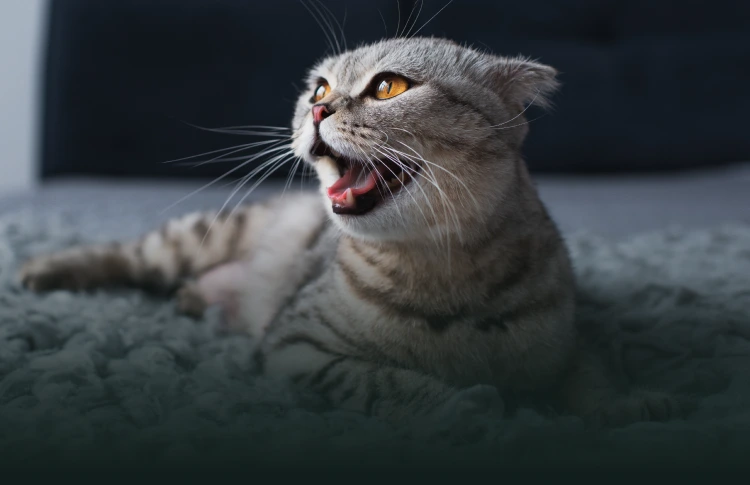
- Increased vocalization
- Confusion or disorientation
- Changes in sleeping habits
- Decreased social interaction
- Increased irritability
- House-soiling accidents
These signs may be associated with medical conditions, pain, cognitive decline, or sensory changes.
Prompt veterinary evaluation can help identify the underlying cause.
The Importance of Routine Wellness Exams
Regular veterinary visits become even more important as cats age.
Senior cats can develop health problems gradually, and many conditions show few obvious symptoms during the early stages.
Routine wellness examinations may include:
- Comprehensive physical exams
- Blood testing
- Urinalysis
- Blood pressure monitoring
- Weight assessment
- Dental evaluations
These screenings allow veterinarians to detect abnormalities before they become more serious and difficult to manage.
For many senior cats, wellness visits every six months can provide valuable insight into their changing health needs.
How to Support Mental and Emotional Well-Being
Physical health is only one part of caring for a senior cat. Mental stimulation and emotional comfort also contribute to overall quality of life.
Encourage Gentle Play
Even older cats enjoy interactive activities. Short play sessions can help maintain mobility and provide mental enrichment.
Offer Enrichment Opportunities
Consider:
- Puzzle feeders
- Window perches
- Scratching posts
- Interactive toys
These activities help keep your cat engaged and mentally active.
Spend Quality Time Together
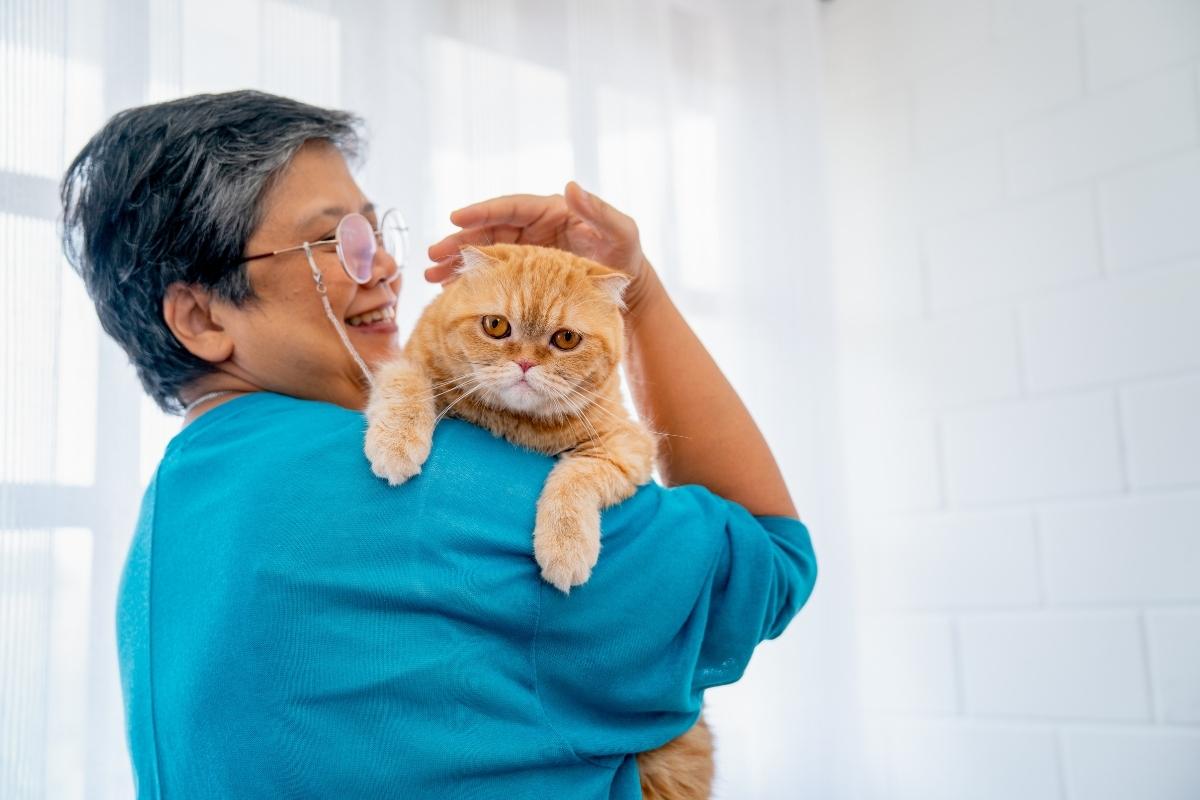
Senior cats often enjoy quiet companionship. Gentle petting, grooming, and spending time together can strengthen your bond while helping your cat feel secure.
Signs Your Senior Cat Needs Veterinary Attention
Contact a veterinarian if you notice:
- Sudden weight loss or gain
- Changes in appetite
- Increased thirst
- Difficulty walking or jumping
- Vomiting or diarrhea
- Breathing difficulties
- Changes in litter box habits
- Behavioral changes
- Unusual lumps or bumps
Early intervention can significantly improve outcomes for many age-related conditions.
Why Senior Pet Care Matters
Providing attentive senior pet care in Morris helps aging cats maintain comfort, mobility, and overall well-being. Through proper nutrition, routine wellness exams, environmental adjustments, and early disease detection, pet owners can support a higher quality of life throughout their cat’s golden years.
Whether your cat is just entering their senior years or has been enjoying them for some time, proactive care remains one of the best ways to help them stay healthy and happy.
If your senior feline companion is due for a wellness exam or health screening, schedule an appointment to discuss personalized senior cat care recommendations and preventive health strategies.
Frequently Asked Questions
1. At what age is a cat considered a senior?
Ans: Most cats are considered seniors around 10 years of age, although some age-related changes may begin earlier.
2. How often should senior cats visit the veterinarian?
Ans: Many veterinarians recommend wellness exams every six months for senior cats to monitor for age-related health conditions.
3. What are common signs of aging in cats?
Ans: Common signs include increased sleeping, reduced activity, weight changes, decreased mobility, and behavioral changes.
4. What is the most common health problem in older cats?
Ans: Kidney disease, arthritis, dental disease, hyperthyroidism, and diabetes are among the most common health concerns affecting senior cats.
5. Should senior cats eat special food?
Ans: Many senior cats benefit from diets formulated for aging pets, but nutritional recommendations should be tailored to each cat’s specific health needs.
6. How can I make my home more comfortable for an older cat?
Ans: Providing easy access to food, water, litter boxes, comfortable bedding, and minimizing obstacles can help improve comfort and mobility for senior cats.